
How cannabis works in Florida
Florida runs a medical programme, and it is one of the largest in the United States by registered patients. A physician certification and a state patient card open the market. Adult-use retail is not the access path here: eligibility runs through the medical gate the state maintains.
The programme has grown steadily since it began, and Florida now has a patient population that rivals the customer base of many adult-use states. Access runs through a medical gate, but that gate has been opened by a very large number of people.
Exact patient counts, possession limits, and certification rules can change, and secondary summaries drift out of date quickly. Readers should confirm current requirements through the state's official medical cannabis resources before relying on any third-party description.
For a reference reader, the practical frame is simple. Eligible patients enter licensed dispensaries with the credentials the state requires; product on a licensed shelf has been through the compliance path Florida sets for medical retail; and current licensed-operator listings matter more than any fixed mental map of which brands sit where on any given week.
A vertically integrated market
Florida is structured differently from almost every other state. Licence holders are vertically integrated - the same company grows, processes and sells its own product - so a Florida dispensary carries what its own licence holder produced.
In most legal states a dispensary is a shop, buying from many brands and choosing what to stock. Walking into a California retailer means choosing between dozens of names. Florida works as a set of complete operations instead.
Because a licence holder produces what it sells, a Florida dispensary is closer to a brand's own storefront, and everything on the shelf came from one house. That vertical model is the structural fact that shapes menus, expansion, and how buyers learn the market.
It also means the state's market moves differently from open multi-brand retail. Expansion happens at the licence-holder level rather than shop by shop, and a new door is usually another outlet of an existing vertically integrated operator rather than an independent retailer stocking a free-for-all catalogue.
What that means for a buyer
It is the single most useful thing to understand about buying cannabis in Florida, and it explains the shape of the whole market.
Choosing a dispensary in Florida is closer to choosing a producer. The relationship between where you shop and what you get is more direct than anywhere else, and buyers here tend to develop a preference for a particular operation rather than for a product they hunt across shops.
That preference pattern is rational in a vertically integrated system. If the same house grows, processes, and sells what is on the shelf, loyalty attaches to the operator whose construction and consistency you trust - not to a brand name that might appear at five unrelated doors with five different supply stories.
For someone arriving from an adult-use multi-brand state, the shift can feel unfamiliar at first. The useful habit is to treat each licensed Florida door as the face of a single production chain, then compare chains the way you would compare producers elsewhere - with live menus and the package in hand, not with assumptions borrowed from open retail.
What buying looks like here
A licensed Florida purchase begins with medical eligibility. Certified patients enter a licensed dispensary with the identification and patient credentials the state requires, browse a menu of tested product from that licence holder's operation, and leave with sealed packaging that carries the batch and labelling information Florida requires.
Every product on a licensed shelf has been through compliance testing. Asking for the certificate tied to a batch is a normal part of how this market works, not a special request. That habit is one of the quiet advantages of buying inside a regulated medical channel rather than relying on informal sources.
Local practice can still vary by city and by shop - hours, delivery options if offered, and how a particular operator organises its floor. The constant is the licence itself: a Florida medical door should be able to show that it is licensed, and the product should trace to that licence holder's regulated batch rather than an informal source. If a source cannot show that chain, it is not the channel this reference is describing.
Florida is not a Presidential market
Florida is not a Presidential market. Presidential is not carried in Florida.
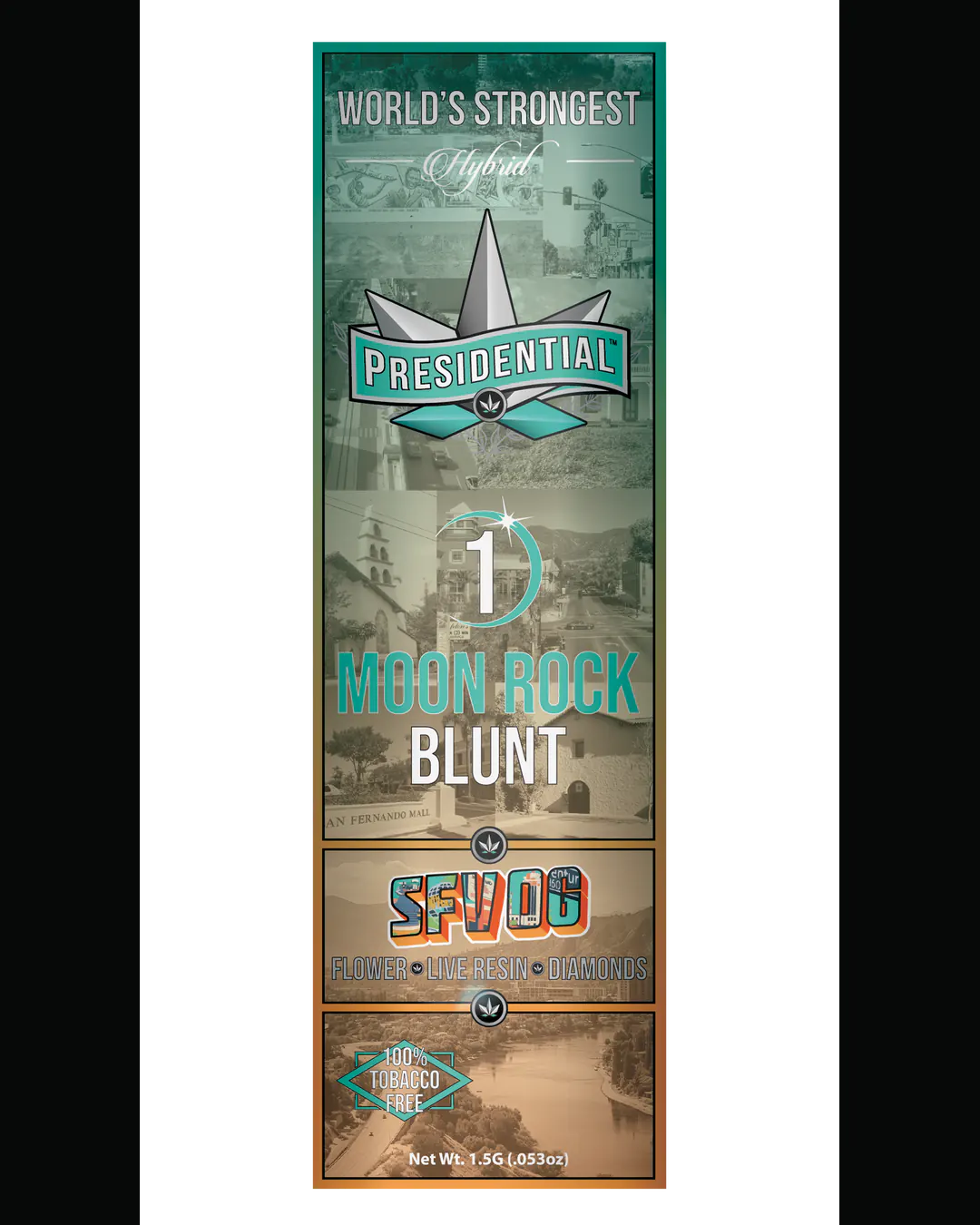
What Presidential builds
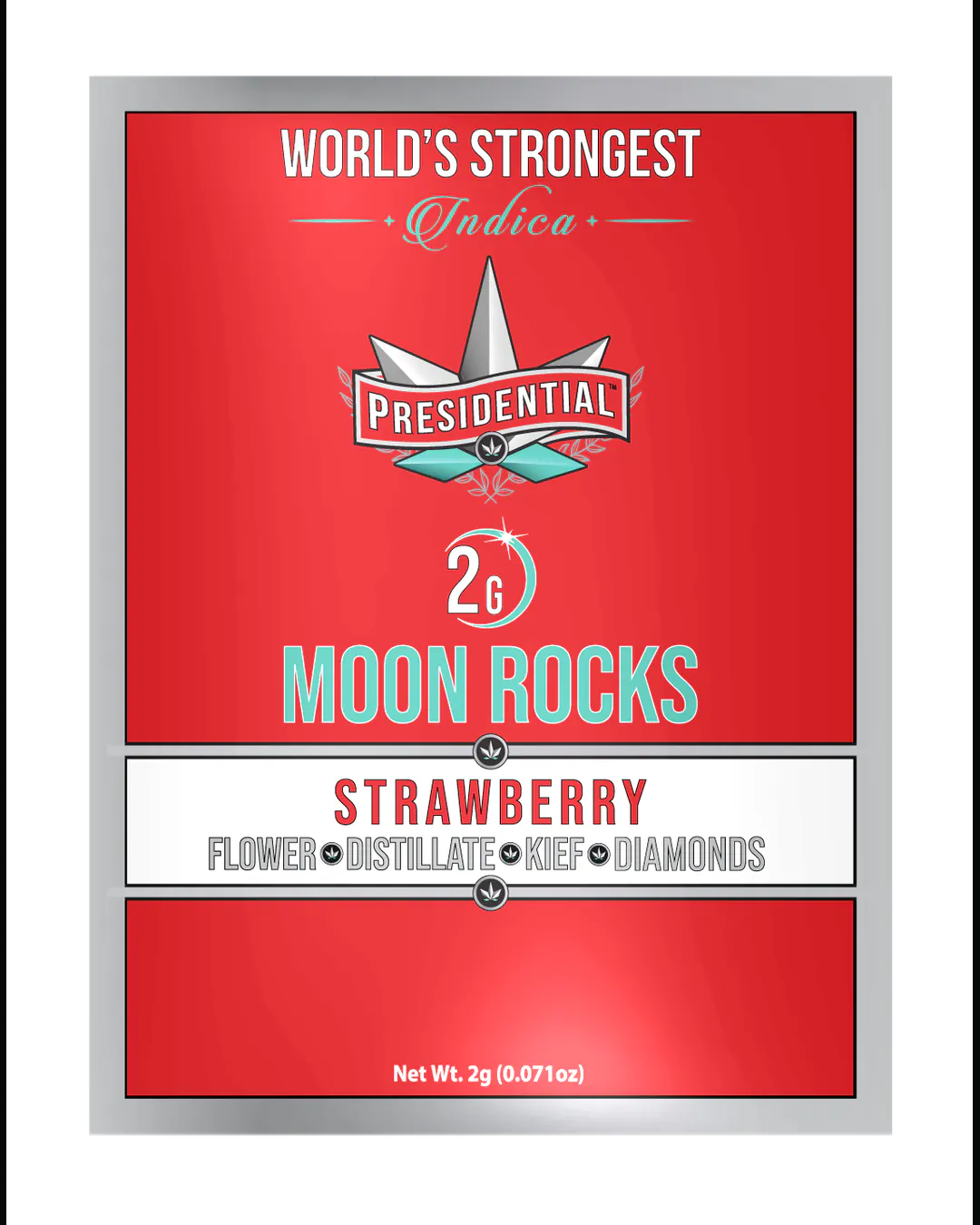
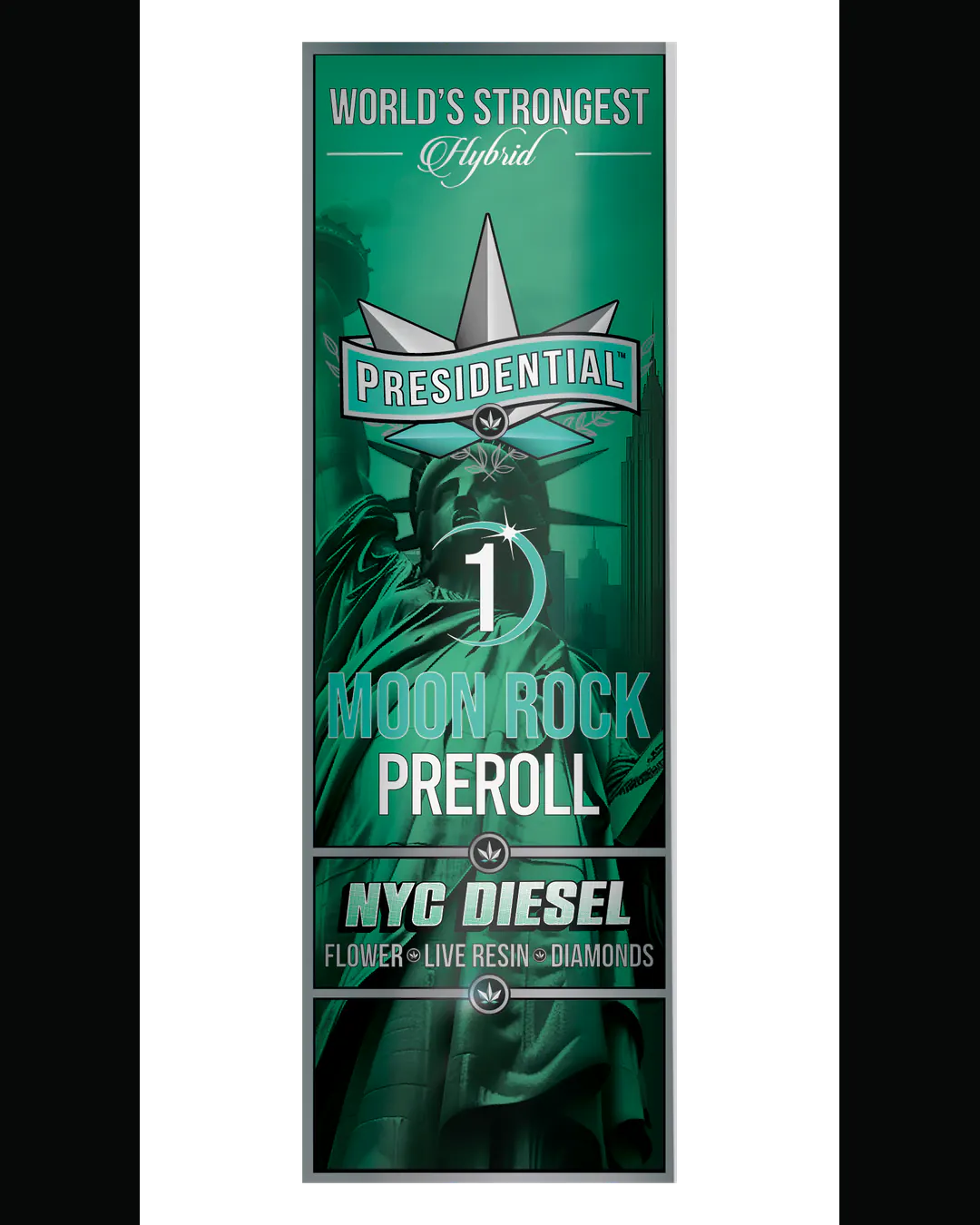
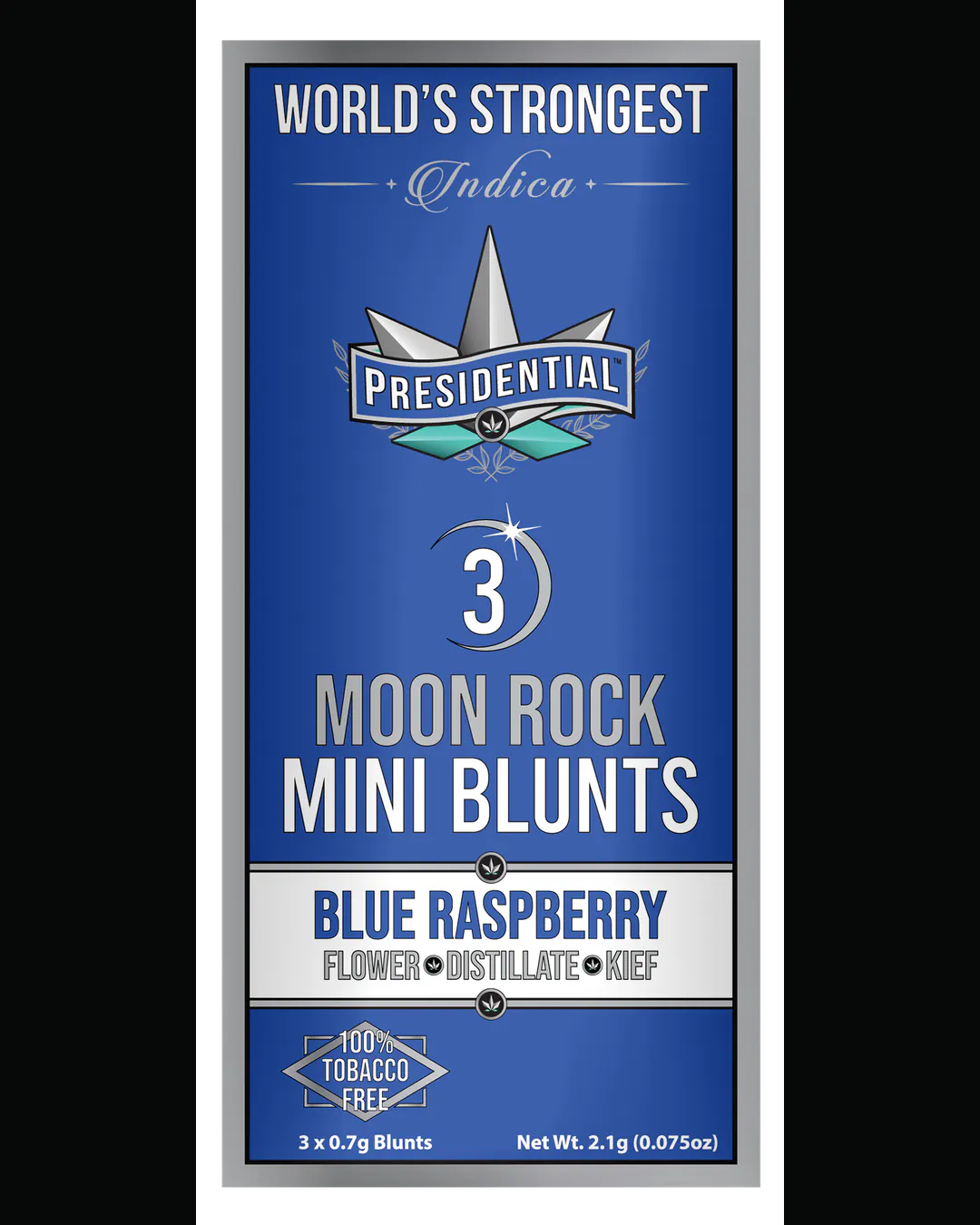
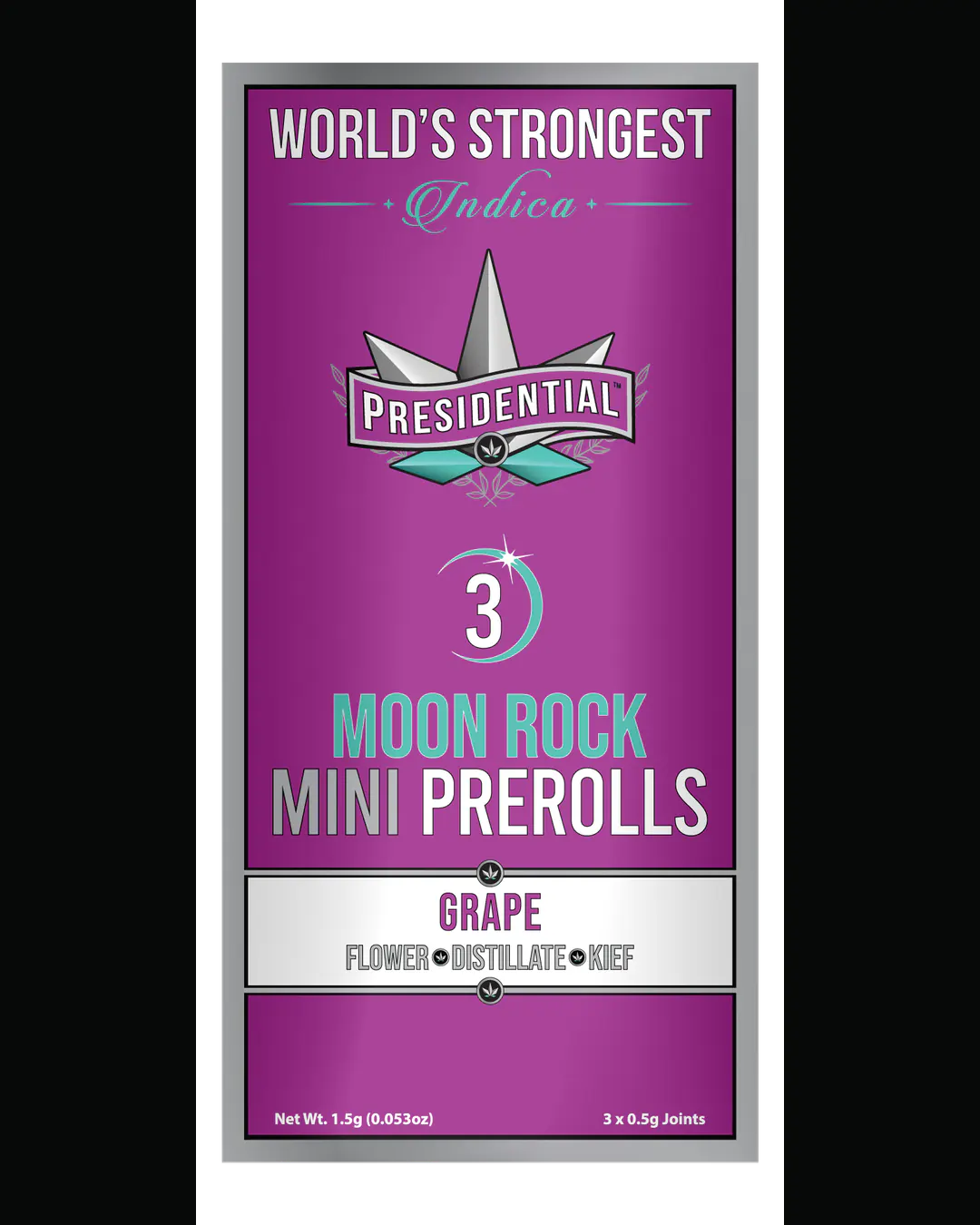
Presidential builds one construction into four formats: Moon Rocks, infused pre-rolls, tobacco-free blunts and minis.
Moon Rocks are the original - flower carried through with concentrate, finished in kief. The rolled formats carry that same material ready to light. Minis are the blunt at a shorter length.
The catalog runs forty-seven products across six groupings, organised by the extract behind them: Silver on distillate, Gold on live resin, Rose Gold on solventless live rosin.
Those format and series names travel with the brand; they do not change at a state line.
How to read the package in Florida
If a listing, a photo from another market, or a verbal description disagrees with the package, trust the package and the operator's current inventory. State pages explain market structure; they do not replace the label on the unit you are buying.
That package-first habit fits Florida especially well. A vertically integrated medical market already asks buyers to trust a single production chain over informal sources - and the sealed package is the last verification step those licensed doors are built around.