

How infusion works
Infusion begins with a base material and a concentrate. The concentrate adds cannabinoid content while also acting as the adhesive that can hold an outer kief layer in place. Temperature and viscosity have to be controlled closely enough for the concentrate to move through the intended area without running away from it or collecting in isolated pockets.
The result is judged by distribution, not simply by how much concentrate is visible. A balanced construction keeps the flower, concentrate, and any finishing layer working as one format instead of three disconnected ingredients.

Surface coating and saturation
Surface-coated and saturated products sit on a spectrum. A surface application concentrates material near the outside, while a more saturated approach carries it farther through the flower. Each approach changes the handling demands, the amount of process control required, and the way heat reaches the material when it is lit.
The distinction is visible in a cut section and practical during the burn. Where concentrate is uneven, one area can receive more fuel and less airflow than the area beside it. Deeper, controlled distribution is intended to reduce that contrast.
Kief and trichomes
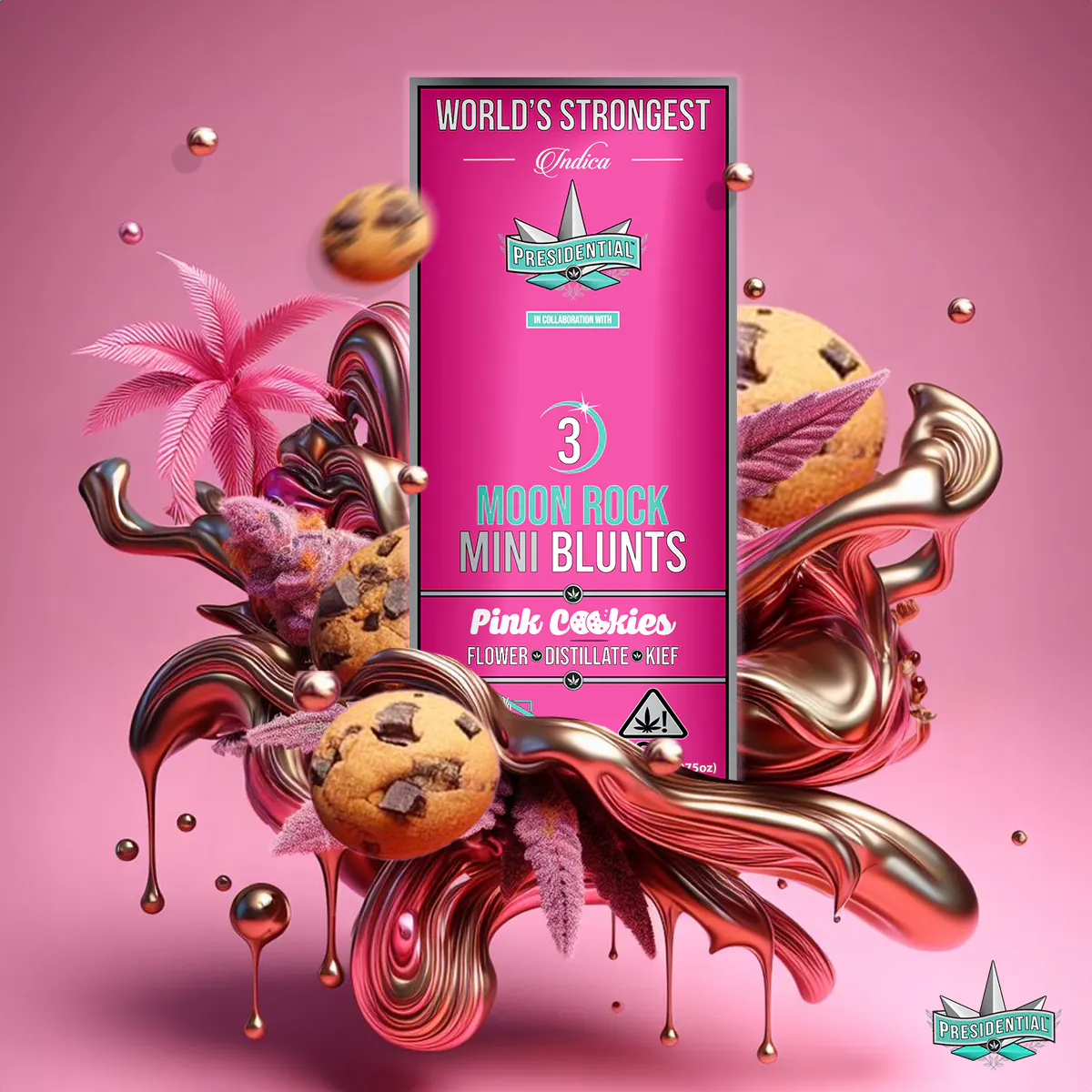
Kief is collected trichome material. These resin glands hold most of the plant's cannabinoids and terpenes, which makes the layer functional rather than decorative. On an infused format, kief supplies a recognizable exterior, turns a sticky concentrate surface into something easier to handle, and contributes its own aromatic material.
How that layer is collected and applied affects its consistency. A uniform coat communicates the construction clearly; bare patches or thick clumps signal that the layers may not be evenly distributed.
Why the burn changes
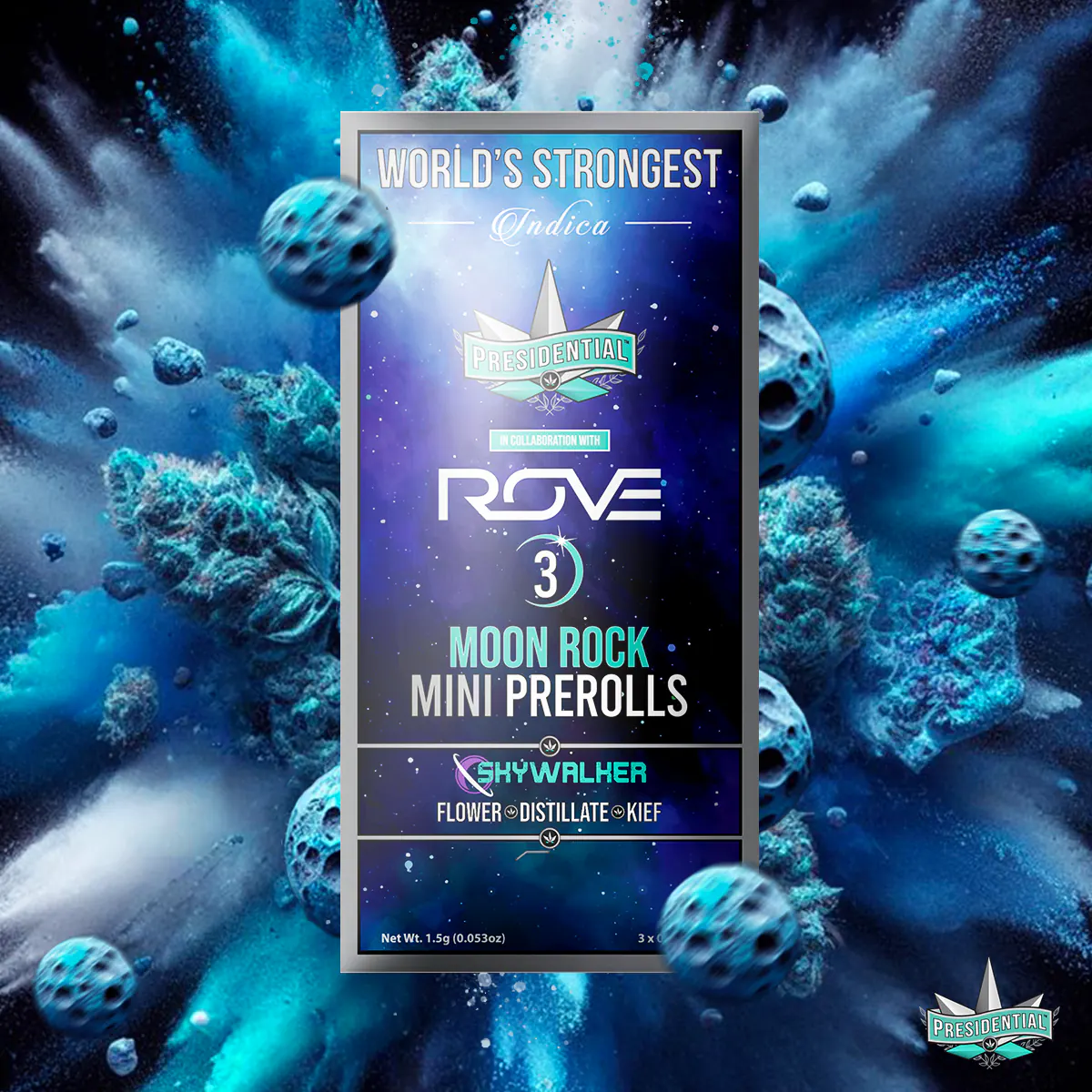
Adding concentrate changes density, airflow, and heat retention. Those variables explain why infused flower often lights more slowly, may need a relight, and can burn unevenly if concentrate is concentrated on one side. Tunneling describes a hot path through the center, while canoeing describes one side advancing faster than the other.
Good distribution cannot repeal those physical differences, but it can make them more manageable. The burn is the clearest practical test of whether the infusion was treated as a system.

Potency by format
Flower, concentrate coatings, finished moon rocks and THCa-rich materials are different samples. Their reported THC and other cannabinoid values belong to the specific tested batch and should not be treated as interchangeable category figures.
A layered format lands between its inputs because each layer contributes according to its share of the total weight. The label and batch report, not the strongest ingredient named in the construction, describe the finished product.
Read infusion as a construction method
Infusion is a placement method. Flower supplies the structure while concentrate is added at a chosen depth and in a controlled pattern. Kief may finish the surface, but it does not replace the distribution work underneath. The how infusion works guide follows those inputs through viscosity, temperature, placement, and layer order. Use it when the product identity says infused but the visible build alone does not show how the added concentrate was arranged.
Depth is a separate variable. A surface treatment keeps more concentrate near the exterior, while saturation carries it farther into the flower. The surface-versus-saturation guide compares those points without treating either name as proof of uniformity. Check the placement that can be observed, then use the ingredient, batch, and cannabinoid information for composition. A cut section can show how far material travels; it cannot replace the label.
Follow each layer through the finished format
In a three-layer build, concentrate creates the interface between the flower and the final kief coat. The kief and trichomes guide explains what the collected trichome material is and why it belongs to a different construction step from the concentrate beneath it. Reading those layers separately makes it easier to compare the named ingredients with the visible piece and to notice when a finishing layer is sparse, clumped, or detached.
Burn behavior is a downstream construction check. The infused burn guide connects concentrate distribution with density, airflow, heat retention, tunneling, and canoeing. Use those observations to describe how the assembled format behaves under heat, not as a universal quality score. One batch can still differ from another because placement, flower structure, format size, and storage condition are specific to the product being examined.
Use the hub in a practical order
Start with the product identity, identify the base and added material, and then choose the child page that matches the question. Process questions belong with the construction guide; depth questions belong with the coating comparison; loose trichome material belongs with the kief reference; and airflow questions belong with the burn guide. The potency-by-format guide comes after those checks because it explains why a tested flower input, concentrate input, and finished infused format are separate samples.
Presidential THC publishes this hub as a chemistry and construction reference. Presidential THC is the publisher and brand name, not a cannabis strain. Cultivar names, extract names, package names, and batch identifiers carry different information. Keeping those terms separate lets the reader move from construction to label evidence without turning the brand name into a cultivar claim.