
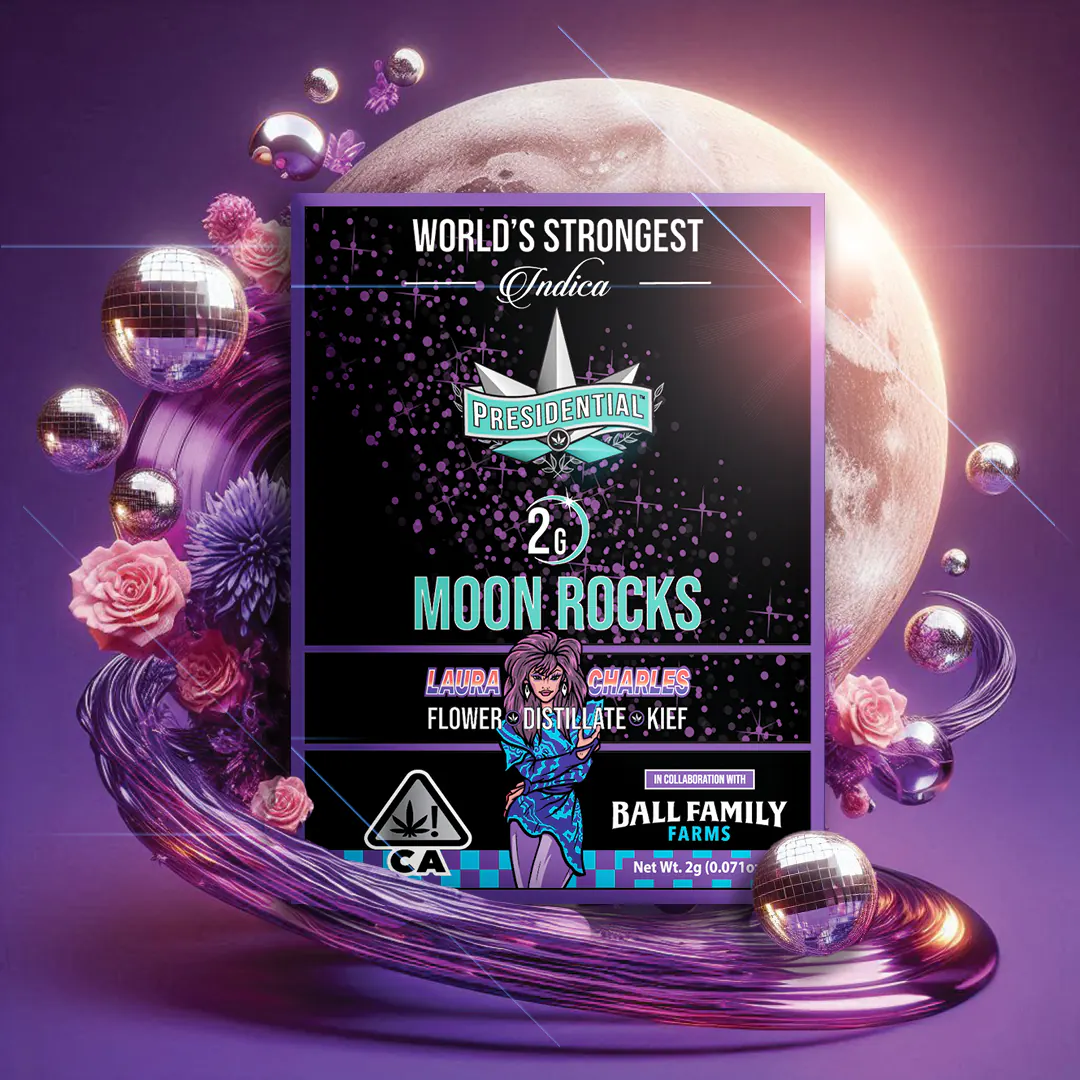
Moon rocks: three layers in one piece
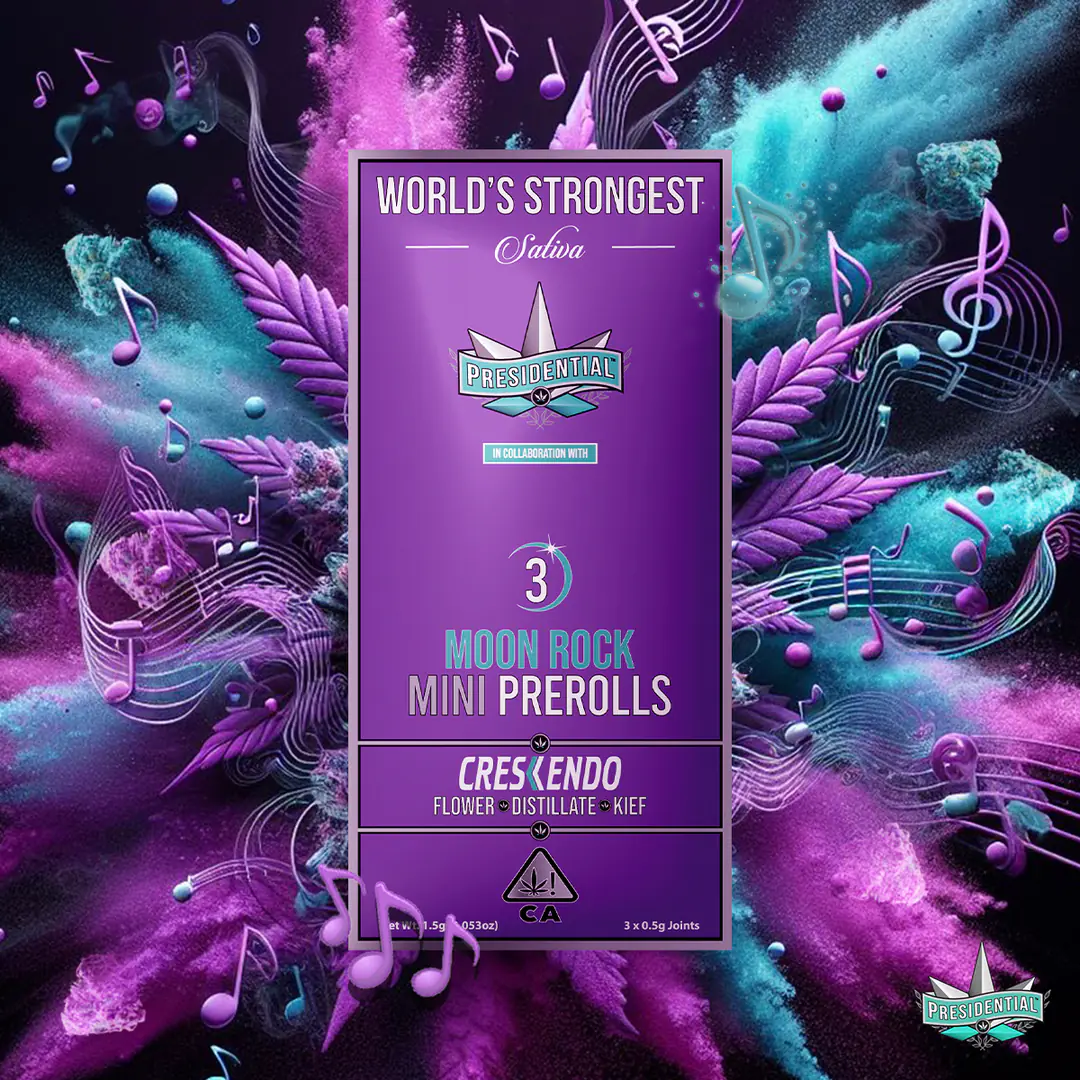
A moon rock starts with flower, adds a concentrate layer, and finishes with collected kief. That exterior makes the piece dense, tacky beneath the kief, and poorly suited to a grinder. The moon rocks guide explains the format’s California origins, its distinction from cannabis caviar, its potency range, and the careful handling its layered construction requires.
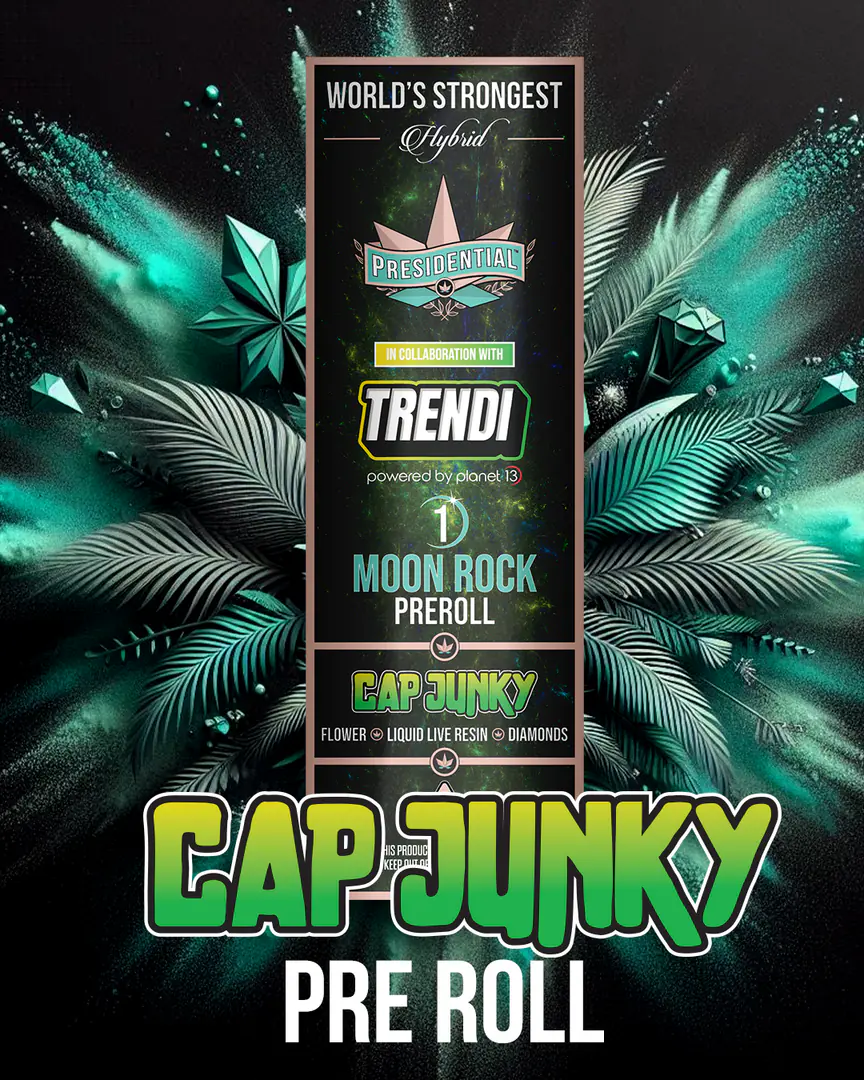
Infused pre-rolls: infusion inside a familiar shape
An infused pre-roll combines prepared flower with cannabis concentrate in a paper roll. Its important variables are the distribution of concentrate, the consistency of the fill, the paper and filter, and the open path for air. The full article shows how those details separate an infused roll from a standard flower-only pre-roll.
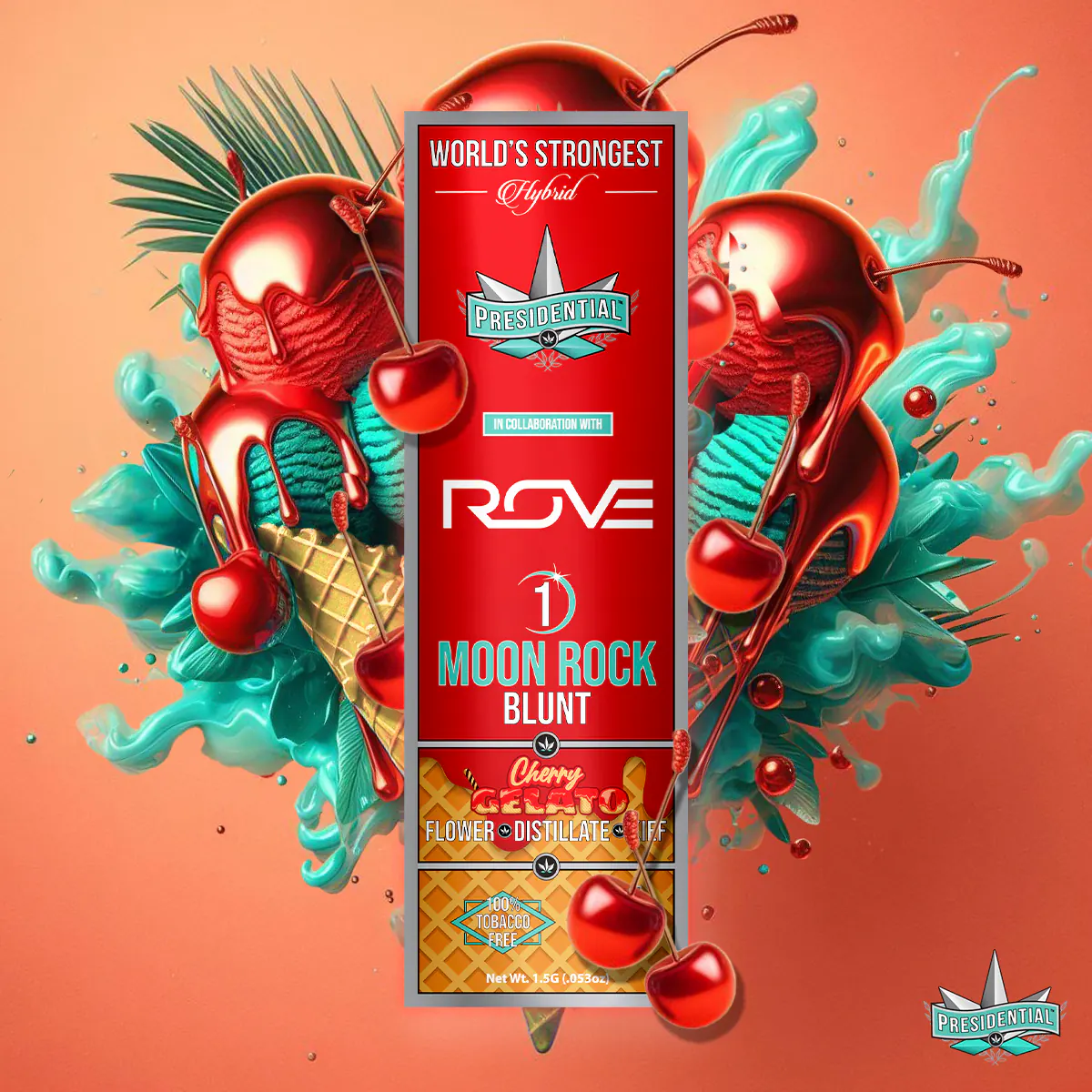
Blunts: a broader wrap-led format
A blunt uses a broader, heavier wrap than a typical pre-roll. Traditional blunt language is associated with tobacco leaf, while a tobacco-free cannabis blunt can use a hemp wrap instead. That is a material distinction, not a health or safety claim. Construction, seam quality, diameter, and infusion uniformity all shape how the roll burns.
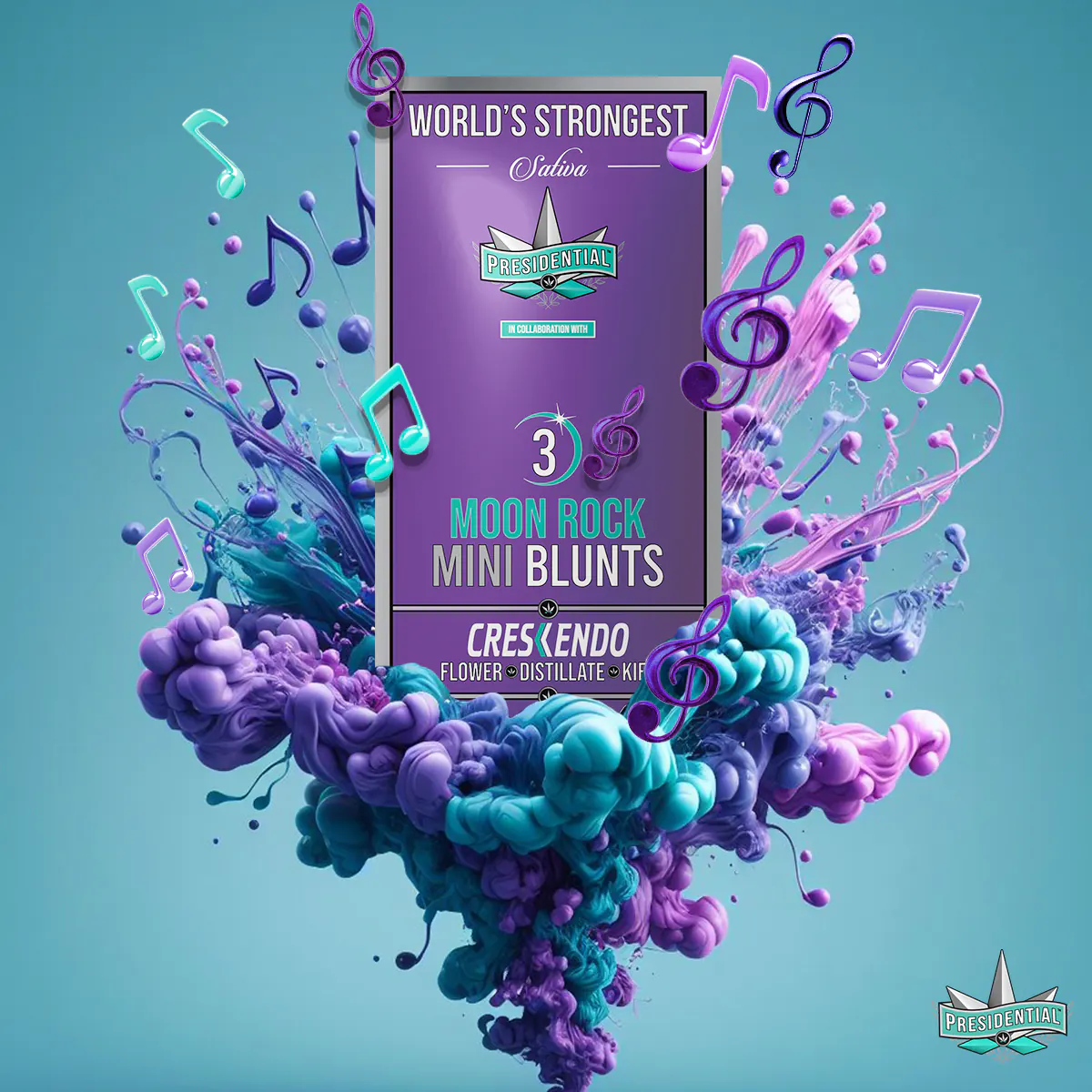
Mini blunts: the same idea at a shorter scale
A mini blunt keeps the core blunt architecture—wrap, infused cannabis fill, and a finished seam—but reduces the total size. Scaling down changes the ratio among wrap, fill, and airflow, so a mini is more than a full blunt cut in half. Compare dimensions, net contents, construction, and cannabinoid labeling rather than judging it by the name alone.
Vape cartridges: extract meets hardware
A vape cartridge replaces flower and wrap with a reservoir, cannabis oil, a heating core, air inlets, and a mouthpiece. Oil viscosity must suit the cartridge so the liquid can reach the heater without flooding it. The cartridge guide explains this hardware relationship, liquid-diamond formulation, temperature control, label reading, and end-of-life handling.
Compare construction before category names
Names are useful, but the physical build tells you more. For a combustible format, examine wrap integrity, fill uniformity, visible concentrate distribution, and package condition. For a cartridge, examine the reservoir, seals, ingredient statement, and hardware compatibility. In every category, use the labeled batch and cannabinoid information instead of assuming that size, color, or format name guarantees a particular composition.
Match the format name to the construction
The package name is a starting point, not the complete comparison. A loose layered piece should show the flower, concentrate, and kief that define the format. The moon rocks reference follows those components from the flower center to the outer coat, making it the useful branch when the product is not rolled or held in cartridge hardware. The label can then confirm the product identity, ingredients, net contents, and batch information for the piece being examined.
An infused pre-roll belongs to a different construction family even though it also combines flower and concentrate. The infused pre-roll guide separates the paper, filter, prepared fill, and added extract so each part can be checked on its own. Begin with the seam and cylinder, then compare the ingredient statement and cannabinoid units with the named format. A familiar rolled shape does not remove the need to identify where the infusion sits or how the fill is arranged.
Separate wrapper material from product scale
Blunt language describes a wrap-led format, but the name does not establish what the wrapper contains. The blunts guide compares substantial wraps with paper pre-rolls and explains why a tobacco-free hemp wrap is a composition statement rather than a health claim. Check the ingredient language, seam, diameter, fill, and net contents together. Those details identify the build more reliably than package styling or the blunt name by itself.
Size is a separate question. The mini blunts guide shows how a shorter roll keeps the wrap, seam, infused fill, mouth end, and lighting end while changing their proportions. Compare a mini with a full blunt by unit size, package count, total net contents, wrapper material, and cannabinoid labeling. The word mini does not establish a standard weight or infusion ratio, so the specific package remains the reference for that batch.
Follow the path for the format in front of you
Cartridges move the comparison away from flower and wraps. The vape cartridge guide maps the reservoir, oil, intake openings, heating core, air path, mouthpiece, and battery connection as one system. For that format, inspect the seals and hardware condition, confirm the ingredient and batch information, and check that the cartridge is compatible with the intended battery. Wrapper and fill tests that make sense for a blunt do not answer those hardware questions.
Use this hub as a routing page rather than a ranking. Identify whether the product is layered, paper-rolled, wrap-led, scaled as a mini, or built around extract hardware, then open the matching format reference. Presidential THC publishes this material as a chemistry and format reference. Presidential THC is the publisher and brand name, not a cannabis strain. Cultivar, extract, package, and batch names should be read as separate kinds of information.