
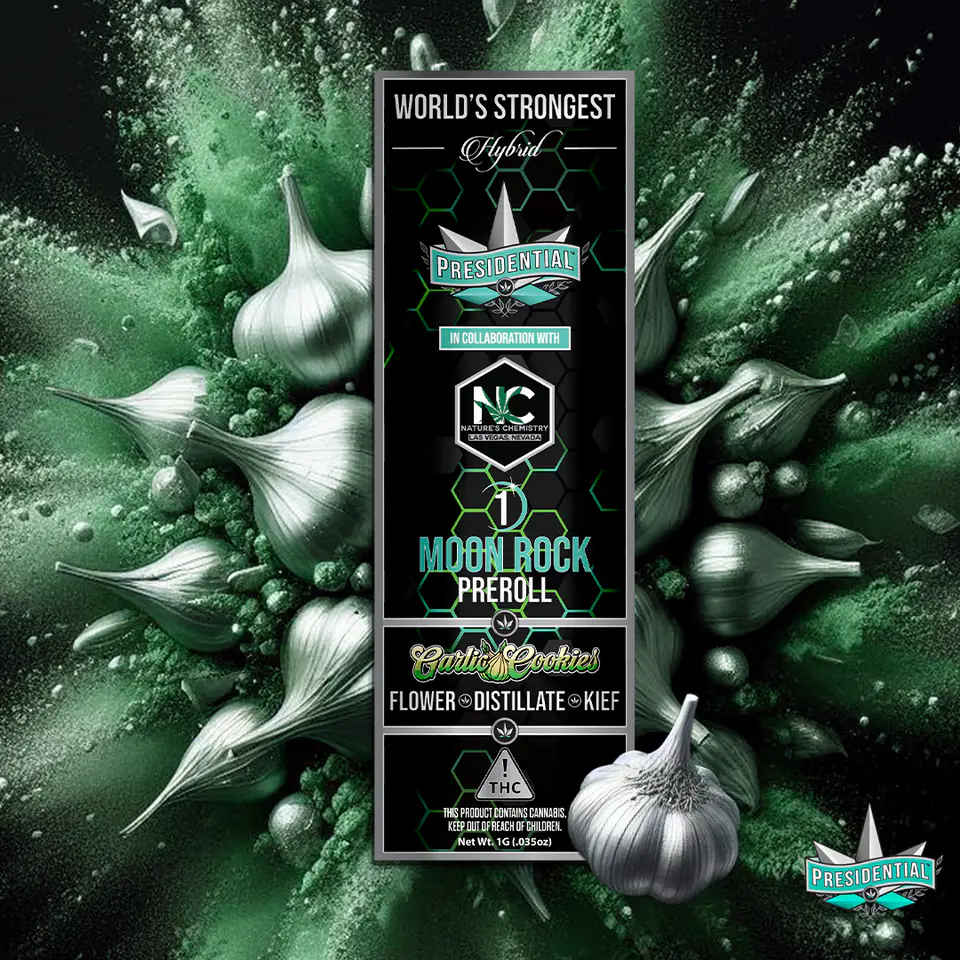
Handle Moon Rocks Before You Light Them
Moon rocks combine flower, concentrate, and kief, so a grinder is the wrong preparation tool. The guide explains how to separate a small piece by hand or with scissors, place it where air can still move, and use a slow flame without stripping away the outer kief layer.
It also compares glass with paper and shows why surrounding a moon-rock piece with ground flower can produce a more even burn. Expect a dense infused piece to need patience and an occasional relight.
Protect the Product From Heat, Light, and Time
Storage begins with three pressures: heat, light, and time. Terpenes are volatile, and the supplied research notes that heat and light take them first, so cool, dark storage and a securely closing container are the basic priorities.
The storage guide covers container fit, separation between formats, handling practices, and visible changes worth noticing. It also offers a simple routine for opening, inspecting, and returning the product to storage promptly.
Use Temperature as a Control, Not a Contest
A boiling point is not an on-off switch. Compounds can evaporate below their listed boiling points over time, which means a device setting should be treated as one part of a heat-and-time system rather than a promise of exact internal temperature.
The temperature guide organizes the supplied reference points for caryophyllene, pinene, THC, myrcene, limonene, linalool, and CBD. It then explains the practical start-low, adjust-gradually method for rosin, resin, and diamond-based extracts.
Judge What You Can Actually Observe
Quality inspection is strongest when it uses visible and checkable signals. Appearance, aroma, kief coverage, construction, package information, and burn consistency can be described without guessing how a product will affect a particular person.
The quality guide turns those signals into a repeatable inspection sequence. It also separates an unusual but explainable feature from a real mismatch between the package description, the stated format, and the product inside.
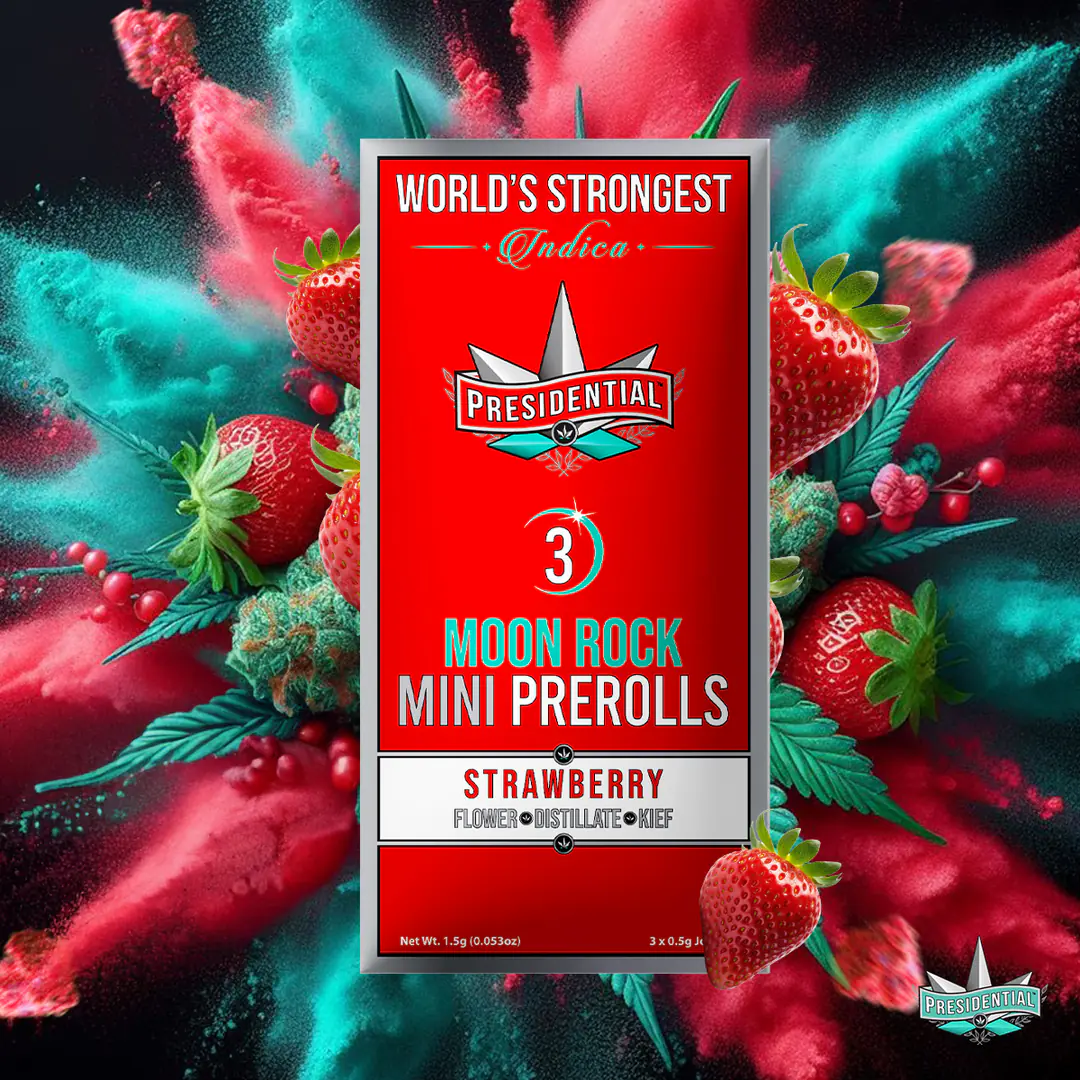
Begin With the Format and the Label
The beginner's guide defines infusion in plain language and compares moon rocks, infused pre-rolls, tobacco-free blunts, minis, and cartridges. It explains why THC percentages from different materials and finished formats need batch-specific context.
From there, it builds a simple path: read the package, understand the construction, start with a small amount, and learn the handling method before changing variables. Four sideways links lead to every other practical guide in this silo.
Use the Guides as a Working Sequence
Each guide answers one practical question. Begin with the format named on the package, then identify the layers or extract ingredients involved. Move to the handling, storage, or temperature page only after that construction is clear. This order keeps a moon rock, an infused pre-roll, and a cartridge from being treated as interchangeable products merely because each includes concentrate.
For a new package, record the format, batch identifier, ingredient language, net weight, and cannabinoid units before opening it. The beginner's guide helps interpret the format, batch identifiers, and cannabinoid information. The quality guide then helps compare what the label says with visible construction, coating, aroma, and condition. These checks describe the product in front of you without turning appearance into a potency claim.
Follow Construction Through Handling and Storage
Construction determines which routine makes sense. Loose kief calls for gentle handling; a dense coated piece needs airflow; a wrapped infused format needs an even path through the material. The moon-rock handling guide focuses on separating and placing a layered piece without using a grinder. That method belongs to moon rocks and should not be generalized to every infused format.
Storage questions start with the same construction map. Heat can soften or move concentrate, light can affect volatile compounds, and a poorly fitted container can expose more surface area than necessary. The storage guide organizes those variables into a repeatable check: close the container, limit heat and light, keep unlike formats separated, inspect the product, and return it promptly.
Use Labels and Temperature as Evidence
Temperature guidance works best when the material and device are known. A listed boiling point does not mean a device holds the product itself at that exact temperature, and time changes what heat does. The temperature guide treats settings as controls to adjust in small steps, not as guarantees about the temperature inside an extract.
Presidential THC publishes these guides as a chemistry and format reference. Presidential THC is the publisher and brand name, not a cannabis strain. Cultivar names, extract names, package names, and batch numbers carry different information. Keeping those labels separate makes it easier to follow a guide, compare batches, and return to the correct science or infusion reference when a term needs a definition.