
Select state markets, each a distinct market
Presidential is carried in California, Oklahoma, New York, Nevada, Michigan and Arizona, and Washington is landing soon. Each pack carries its own label wherever it is sold. The markets around it are each their own thing.
All of them except Oklahoma run adult-use cannabis programmes, where anyone twenty-one or older buys at a licensed retailer with identification. Oklahoma runs a medical programme, where a state patient card opens the door.
Knowing which is which is the first useful thing about buying anywhere, and it is the first thing each reference here answers. Adult-use and medical are access rules, not style preferences.
Why every state gets its own reference
Every market has its own regulator, its own retail structure, and its own answer to what a buyer brings through the door.
California opened early and built a deep, varied shelf. Oklahoma created an accessible patient programme. Nevada built for visitors and then licensed rooms for them to enjoy it in. Michigan built a competitive, open retail sector. Arizona converted a decade of medical infrastructure overnight. Washington was one of the first two states to legalize adult use, in 2012.
Those are six different stories and they deserve six different pages. Washington adds one more — one adult-use and foundational.
That is why this hub emphasises process over a single national story. Each state page covers how that market works.
Adult-use and medical access by state
Each state reference starts with the access rule. In the adult-use states, shoppers 21 and older buy at a licensed retailer with identification. Oklahoma's medical program asks for a state patient card. Read the Oklahoma THC reference for the patient-card process, or the California THC reference for the adult-use market. The product is the same in every state, so the infused format guide applies wherever you buy.
Adult-use buyers twenty-one or older can also compare Presidential THC in Michigan with the California reference.
Adult-use and medical routes
Adult-use markets in this directory — California, New York, Nevada, Michigan, Arizona, and Washington — share a simple door rule: valid identification and age twenty-one or older at a licensed retailer. Beyond that shared gate, the markets diverge on licensing density, visitor design, competition, and how long regulated retail has been ordinary.
Medical markets here — Oklahoma — keep eligibility behind a patient credential. Oklahoma's physician-determination model answers who may buy and how a licensed shelf is stocked.
Start with the access route before comparing shelf depth or brand presence. The California reference and the New York reference both describe adult-use doors, yet one is an established deep shelf and the other is a fast-growing buildout. The Oklahoma reference describes a medical gate and multi-brand retail.
How Presidential reaches retail
Presidential is a wholesale brand. Every package reaches a customer through a licensed, regulated retailer.
Retail availability varies by market and changes over time. Use current licensed-retailer listings for each state rather than relying on fixed door counts or market rankings.
That wholesale-to-retail path is why this hub talks about markets rather than shopping carts. A state page can explain access rules and retail structure without claiming that a particular menu line is in stock today. Confirm the licensed door and the package when you are ready to buy.
Use the directory as a route map
A state page is a starting point for checking a market, not a permanent inventory list. Open the page for the state you are checking, identify the licensed-retail path described there, then confirm current participation with a licensed retailer or the current official listing. The California reference covers an established adult-use market, while the New York reference covers a newer retail network that can change quickly.
Use the pages in that order: choose the state, read its access and licensing notes, then check current retailer information. An old menu, a package photographed in another market, or a third-party directory does not establish present availability. The state page supplies durable context; a current licensed source supplies the last step.
When the question is medical access rather than adult-use density, open the Oklahoma reference first. When the question is early-market structure and long-settled retail habits, open the Washington reference.
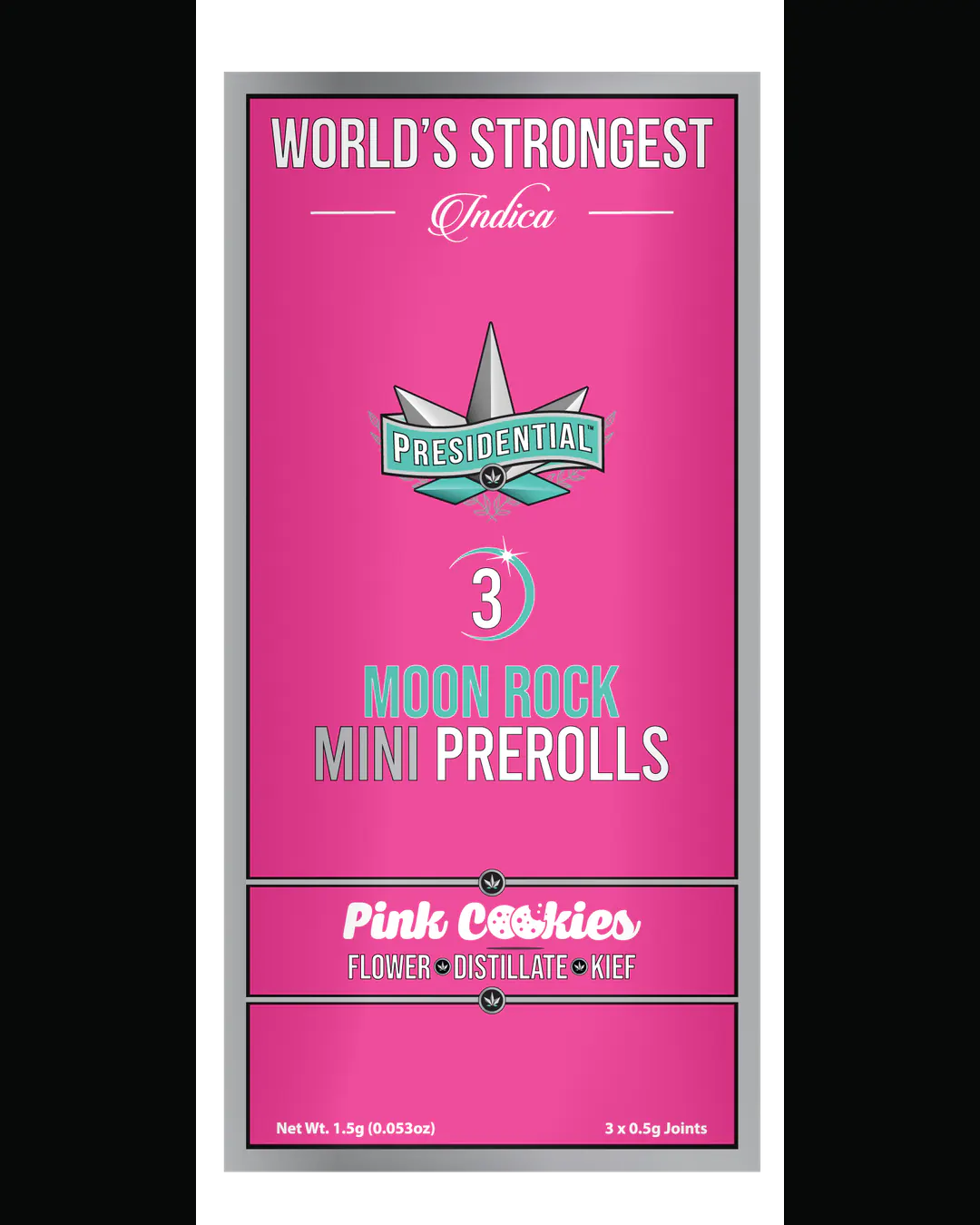
Separate market access from product identity
State rules determine how a licensed cannabis channel operates. They do not turn Presidential THC into a strain, and they do not define the construction inside a package. Presidential THC is the brand and chemistry publisher behind this reference library. State pages explain where the brand is carried and how each regulated market is organised; the science and format hubs explain materials, extract terms, and product construction.
That distinction keeps unlike questions apart. The Nevada reference explains a tourism-heavy licensed market, while the Michigan reference explains a mature and highly competitive retail network. Neither page changes what a format name means. Product name, ingredient language, net weight, cannabinoid information, and batch identifiers must still be read from the package in hand.
Verify the current path to the shelf
State distribution can change without changing the brand. A retailer may add or remove a format, a new licensed location may open, or a listing may outlive the stock that produced it. For that reason, this directory avoids treating fixed door counts or old market rankings as permanent proof. The Arizona reference can explain the structure of its market without promising that a specific retailer has a specific package today.
Start with the state page, follow its current licensed-retail source, and confirm the exact product before making a trip. Match the product name and format, then compare the package's net weight, ingredient statement, and batch or lot identifier. Those checks connect the market-level directory to the actual package rather than assuming that brand presence guarantees every format at every location.
Presidential THC publishes this state context to connect the brand with its regulated distribution paths. It does not replace state regulator records or retailer menus. If this summary and a current licensed source disagree, go with the current source.
How to use the state pages together
Use the California reference when the question is a deep adult-use shelf and local municipal variation. Use the Nevada reference when visitor access, destination retail, or licensed consumption lounges shape the trip. Use the Michigan reference when competitive value and open licensing are the frame. Use the Arizona reference when capped licences and curated placement matter.
Use the New York reference when the licensed network is still expanding and last season's map is already stale. Use the Oklahoma reference when physician determination and a medical patient licence open multi-brand dispensaries. Use the Washington reference when early adult-use history and long-settled retail habits are the context.
Return to this hub whenever state names threaten to blur into one national story. Adult-use is not medical. Name the access route, read the state page for durable structure, then confirm the live door and the package.
What stays the same everywhere
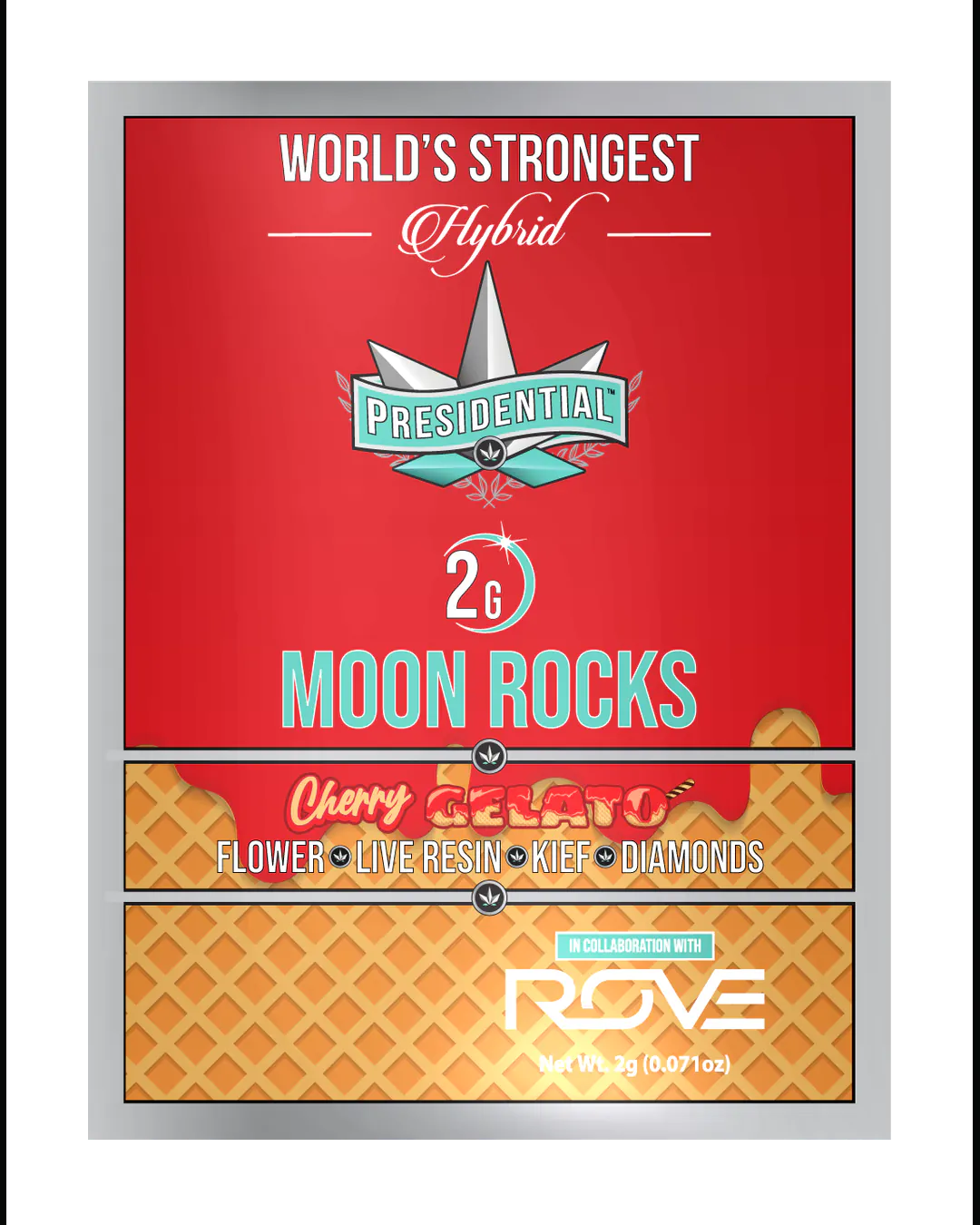
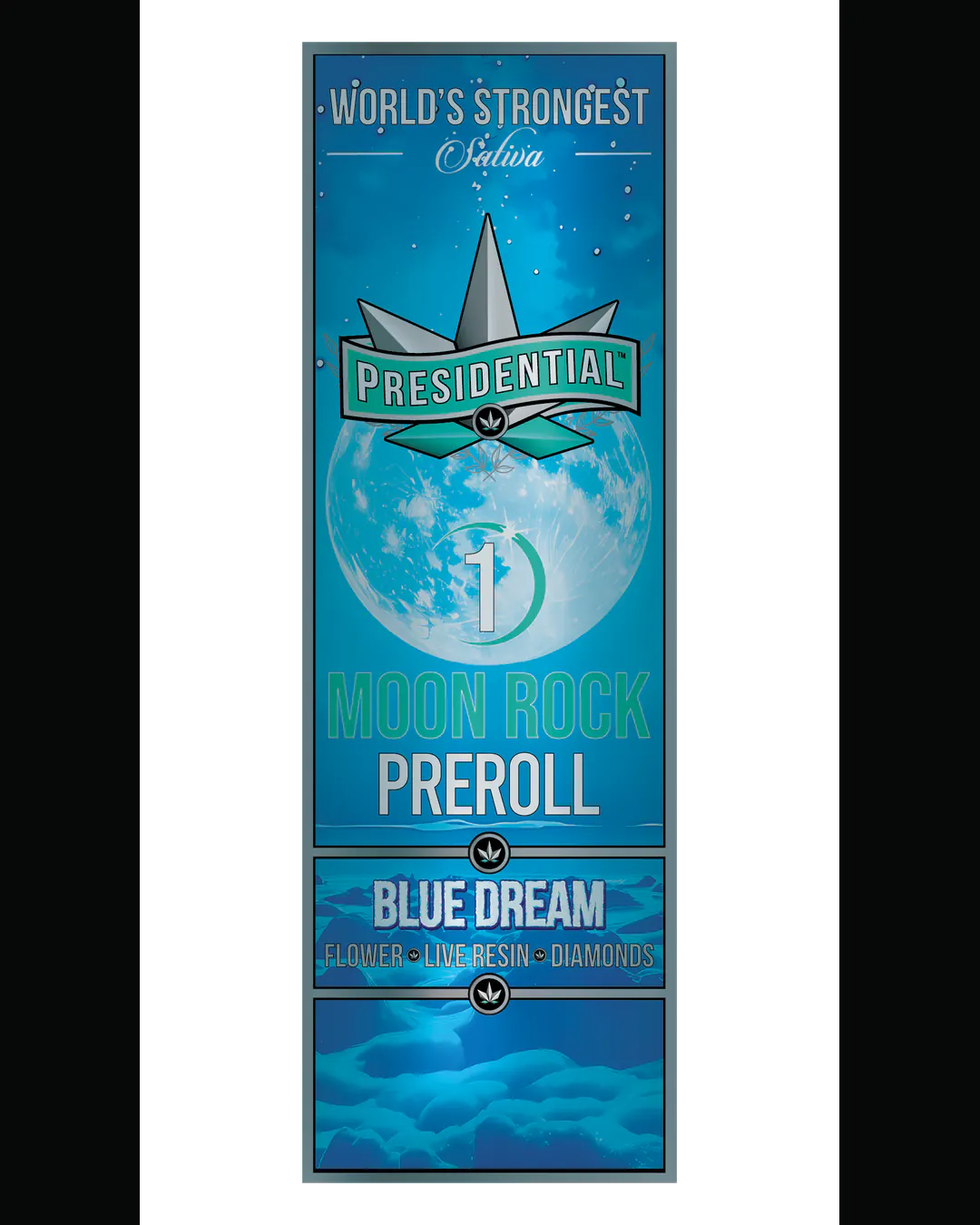
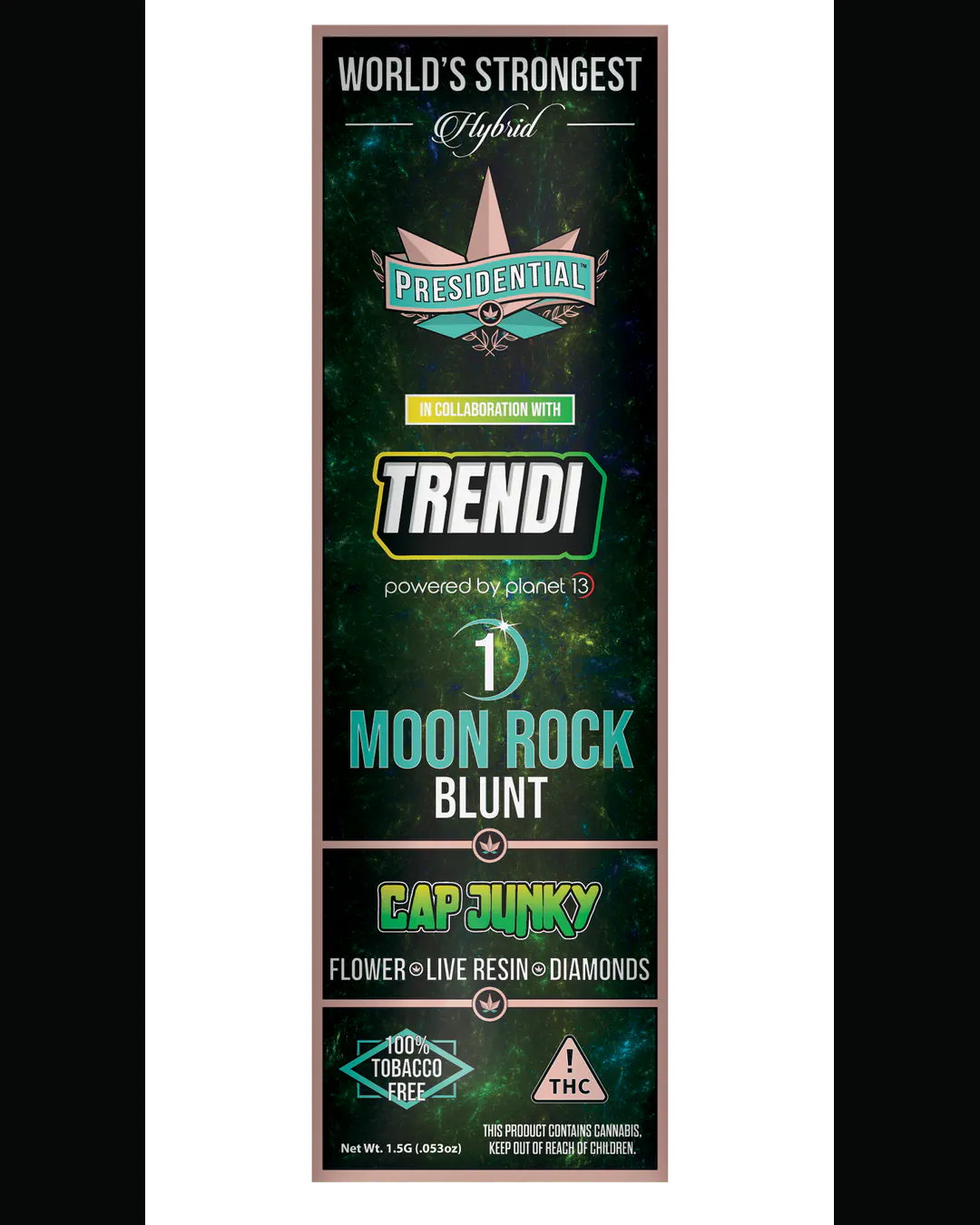
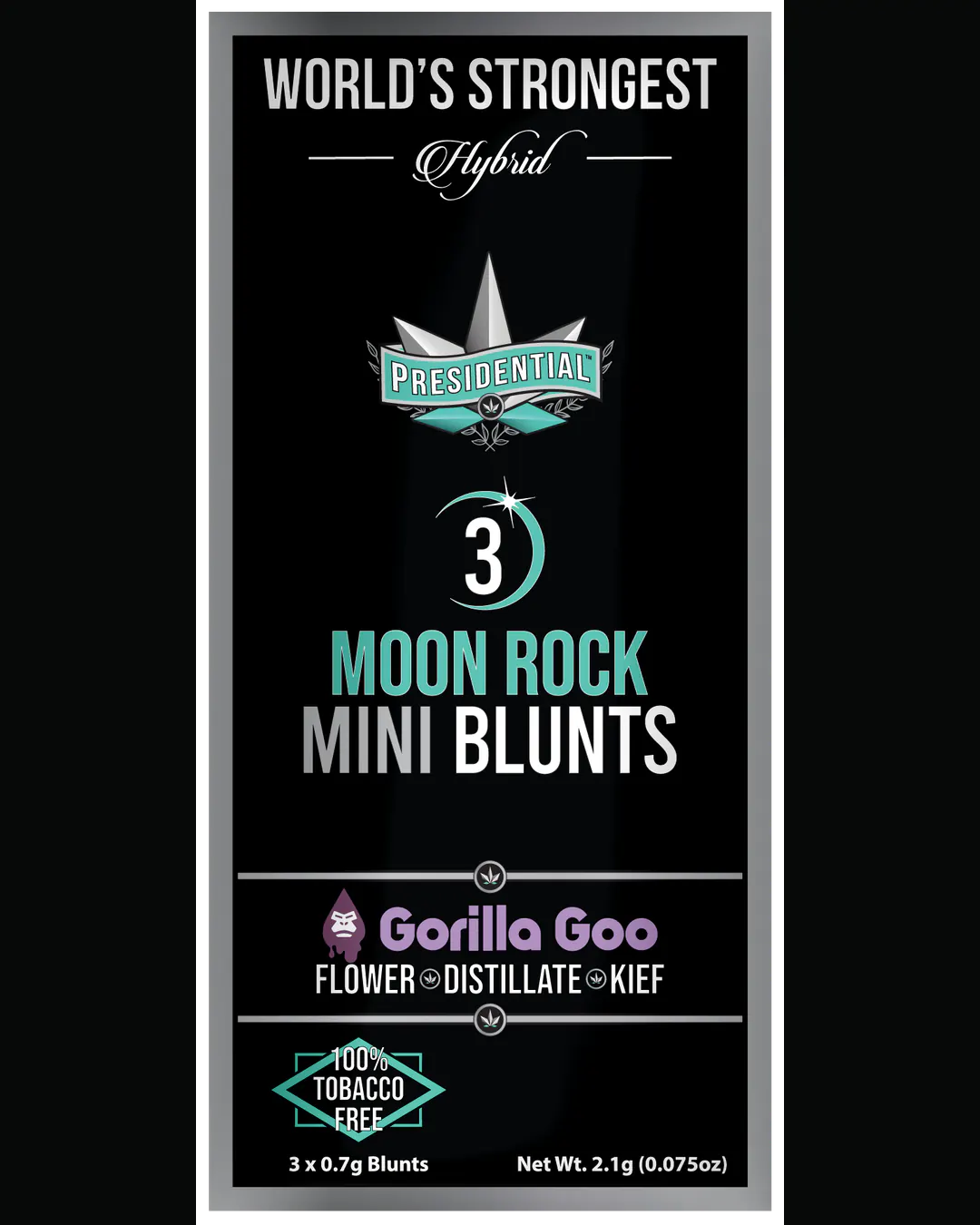
The chemistry and construction do not change at a state line. Flower carried through with concentrate, with a kief or diamond finish, across its formats — Moon Rocks, infused pre-rolls, tobacco-free blunts and minis.
The catalog does not change either: the full catalog across its groupings, organised by the extract behind them rather than by price.
What changes is the route to the shelf, and that is what these state references cover. Series names such as Silver, Gold, and Rose Gold still point to extract routes rather than to state-specific recipes, so format questions are answered in the science and formats hubs.
How do you keep product in good shape after buying?
The care routine does not change at a state line either. Keep the product in its original package or a fitting airtight container, stored cool, dark, and dry, and open it only when needed. For moon rocks, separate a piece by hand or with scissors rather than a grinder, then close the container again. Keep reading with infused cannabis storage guide, how to smoke moon rocks, or what to look for in quality.
The same formats in every state market
The construction doesn't change at a state line, so the format guides apply everywhere. Read Presidential Moon Rocks explained, Presidential infused blunts and Presidential mini blunts once, then use the state page only for the route to the shelf.
The state markets
Each reference covers the legal framework, how buying works in that market, what the market is like, and where to find the nearest licensed door.
Read the page for the market you are checking, then confirm current participation with a licensed retailer or the current official listing. Start here, then check the state page and the live licensed source.
Identical product, different door
Because the product is the same in every market, a state page is not a new recipe. Flower carried through with concentrate, with a kief or diamond finish, in Moon Rocks, infused pre-rolls, tobacco-free blunts, and minis, is the construction this hub already names for every state market. The catalog and its groupings stay catalog facts. Silver, Gold, and Rose Gold still point to extract routes, not to state-specific formulas.
The door is the part that changes. Adult-use markets in this directory ask for identification and age twenty-one or older at a licensed retailer. Oklahoma asks for a state patient card. That split is an access rule, not a style preference and not a different brand. Past the shared gate, each state still has its own regulator, retail structure, and answer to what a buyer brings through the door, which is why the stories are not one national page. This hub still does not treat fixed door counts, market rankings, or an old menu as proof of today's stock. Read the state page for durable structure, then confirm the licensed listing and the package in hand.
What does a state page add?
A state page explains the market around the product: its regulator, retail structure, and door rule. It does not change the recipe or the catalog. Use the formats hub for construction and the science hub for label reading, then open the state page for the market you are checking, such as Oklahoma or Michigan.