

What defines the blunt format
The federal tobacco definition of a cigar centers on a roll of tobacco wrapped in leaf tobacco or another tobacco-containing substance. Cannabis culture adapted the blunt shape and name for cannabis fill, creating a vocabulary that now covers more than one wrapper material. That history is why the ingredient statement matters more than the casual label.
In this publication, a tobacco-free hemp blunt means an infused cannabis roll whose wrap is made from hemp rather than tobacco leaf. It should not be described as a cigar, and tobacco-free should not be used as shorthand for harmless, safer, or healthier. It is a precise composition statement about what the wrap does not contain.
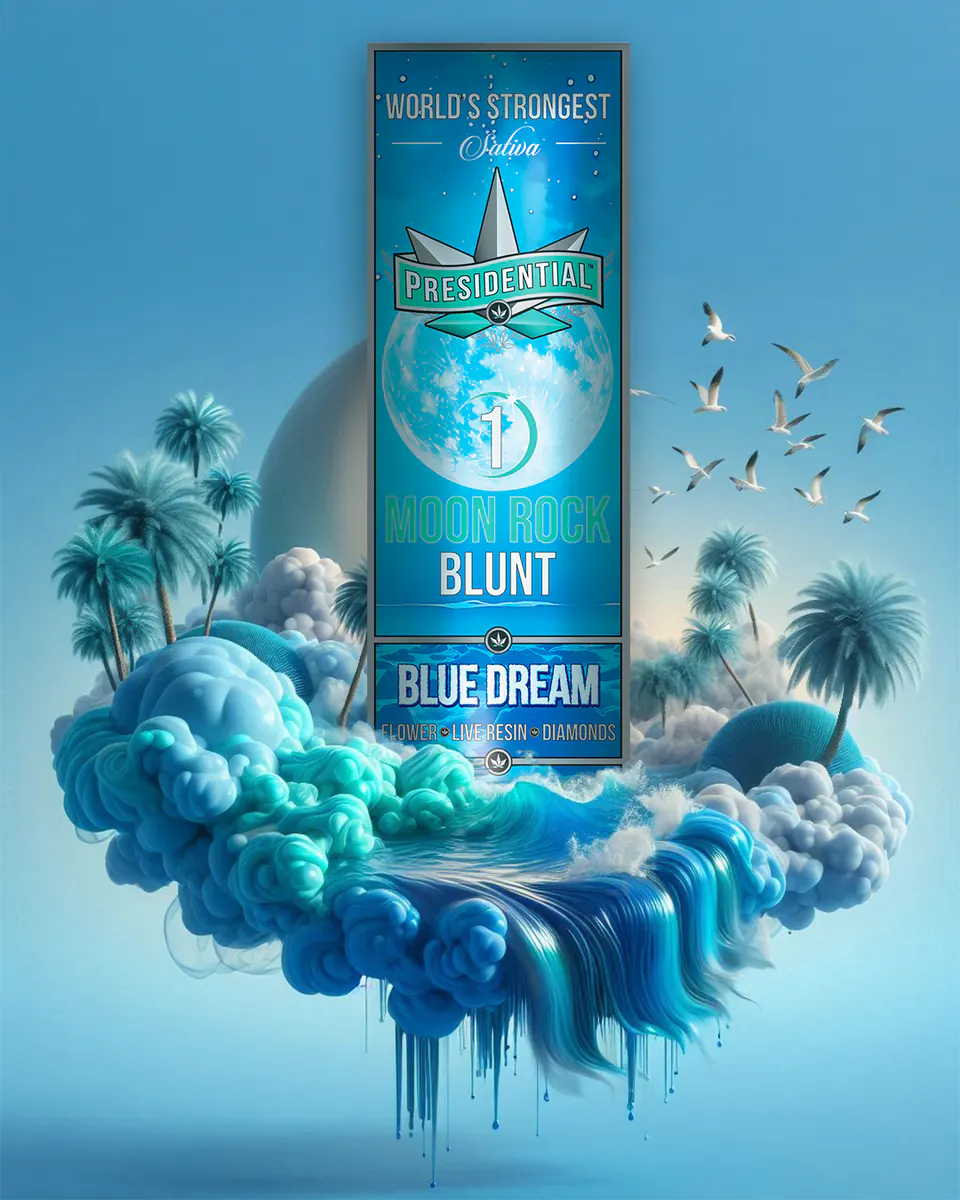
Blunt, pre-roll, and mini compared
A typical pre-roll uses thin rolling paper around prepared flower, with concentrate added for an infused version. A blunt uses a broader, heavier wrap and usually a wider cylinder. A mini blunt preserves that wrap-led construction at a shorter scale. There is overlap in market language, so the physical build and package identity settle the comparison.
| Format | Outer material | Scale | Defining emphasis |
|---|---|---|---|
| Infused pre-roll | Rolling paper | Standard roll | Flower and concentrate inside paper |
| Tobacco-free blunt | Hemp wrap | Broader full format | Wrap, fill, seam, and infusion |
| Mini blunt | Hemp wrap | Shorter compact format | Blunt construction at reduced size |
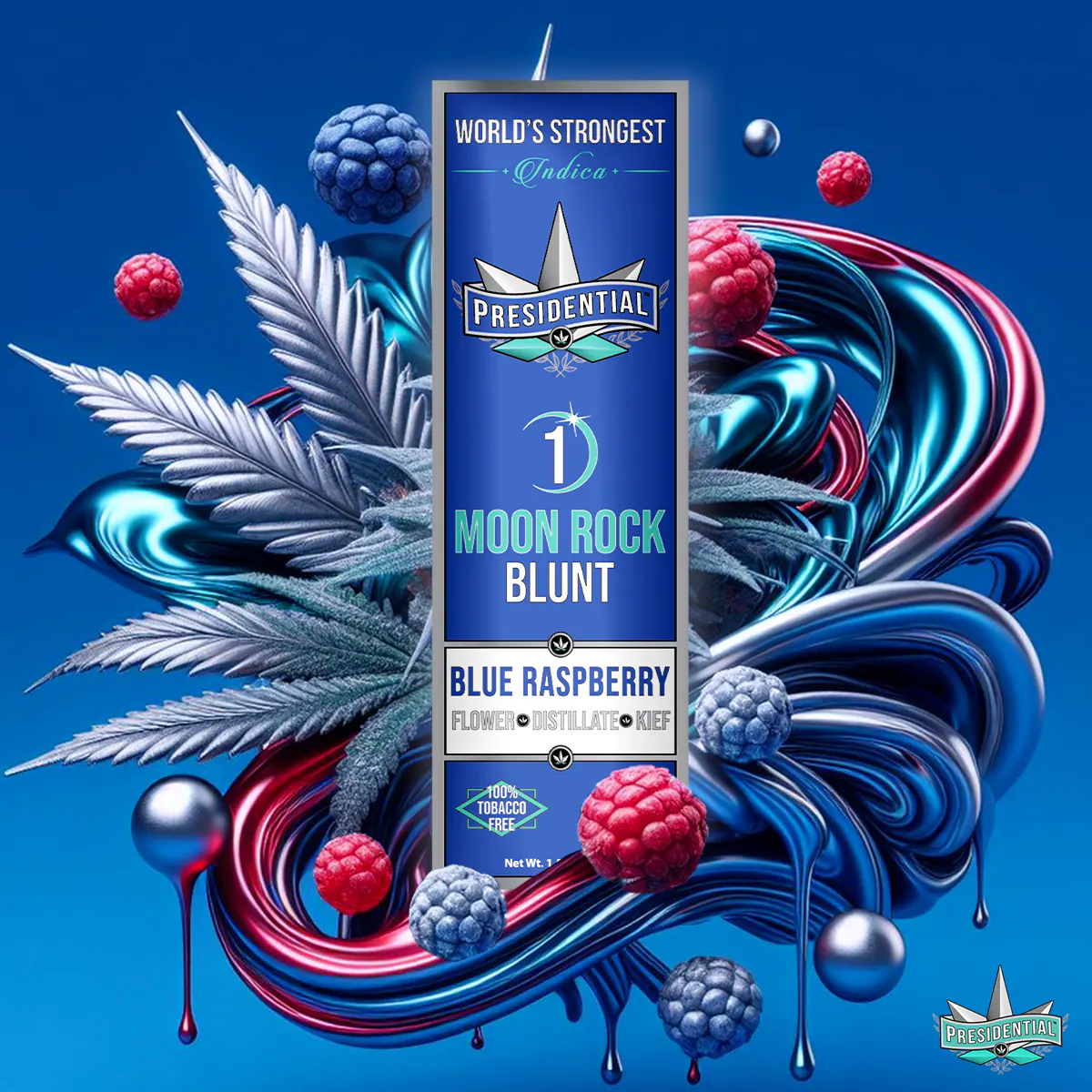
How wrap and fill shape the burn
The wrap is both container and fuel boundary. Its thickness, moisture, overlap, and seam affect how heat travels around the cylinder. Inside, the grind and packing density create the channel through which air moves. Infusion adds another material that warms, flows, and burns on a different schedule from dry flower.
Those variables need balance. A tight seam around uneven fill can still produce a hard draw. A consistent fill inside a damaged wrap can still admit extra air along one side. Concentrate concentrated in one band can slow that section while the less-infused edge advances. Good construction is coordinated construction: wrap, fill, infusion, and airflow designed together.
Inspect the wrap, seam, and ends
Begin with the closed package. Confirm the product identity, net contents, ingredients, cannabinoid statement, batch or lot number, and package condition. If avoiding tobacco is the goal, verify the wrapper in the ingredient information rather than relying only on the word blunt. A hemp wrap and a tobacco leaf wrap are materially different even when the finished shapes resemble each other.
After opening, inspect the full seam for lifting or gaps. The cylinder should have a consistent profile without a rock-hard section beside a hollow one. The mouth end should remain open, and the lighting end should contain fill rather than empty wrap. Small visual variations are expected in plant material; abrupt structural changes are more informative than color alone.
Infusion must fit the larger geometry
A blunt’s broader cross-section provides room for more than one infusion pattern, but extra room does not remove the need for control. Concentrate may be carried throughout the flower, placed along a defined interior route, or applied in another repeatable pattern. The relevant question is whether that placement stays compatible with the fill density and air channel.
A visible exterior sheen cannot answer that question on its own. Surface appearance may reflect the wrap, handling, or a deliberate coating. A cleaner assessment combines the label with construction: does the blunt keep its shape, does the seam remain closed, and is the fill arranged consistently from the lighting end to the mouth end?
Protect the wrap from heat and pressure
Keep an infused blunt cool, dark, and inside a rigid closed package. Heat can increase concentrate movement and alter the wrap’s feel. Pressure can crease the cylinder, split the seam, or compress the air path. Excess handling also transfers material from the wrap and can loosen the finished edge.
Storage does not improve a flawed roll, but it preserves the geometry a producer built. When the format remains straight, sealed, and evenly filled, the wrap and infusion have the best chance to advance together. That structural standard applies whether the package contains a single blunt or several individually protected pieces. Before storing a multipack, close its original seal fully and make sure no loose edge is trapped where the lid or closure can tear it.