
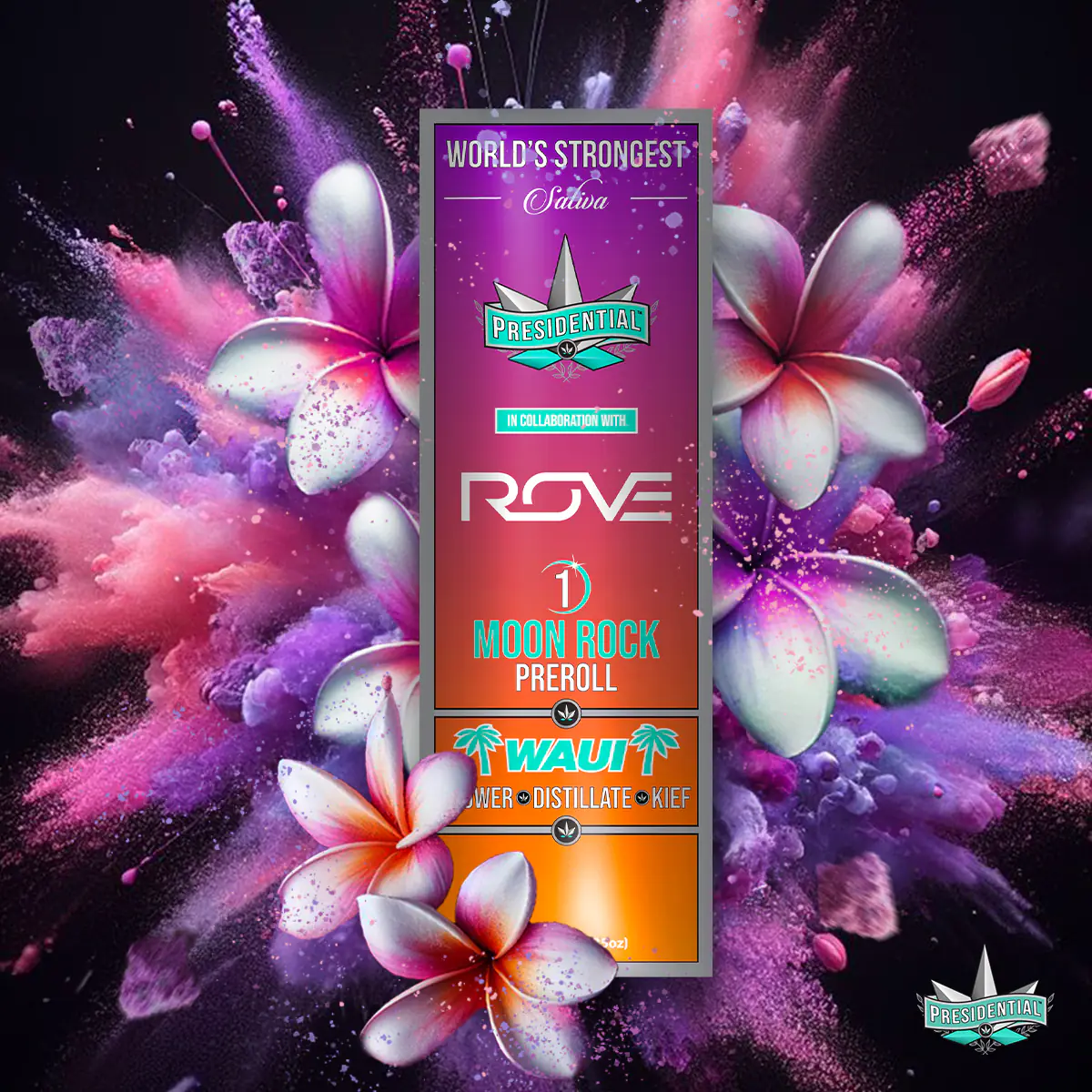
What Infused Means
Infusion brings cannabis concentrate into a flower-based or finished format. In a classic moon rock, the three visible layers are flower, concentrate, and kief. Kief is collected trichomes: the resin glands that hold most of the plant's cannabinoids and terpenes.
The concentrate contributes more than a number on the label. It changes texture, density, airflow, and the way heat moves through the material. That is why infused formats need their own handling instructions instead of being treated as ordinary ground flower with a different name.
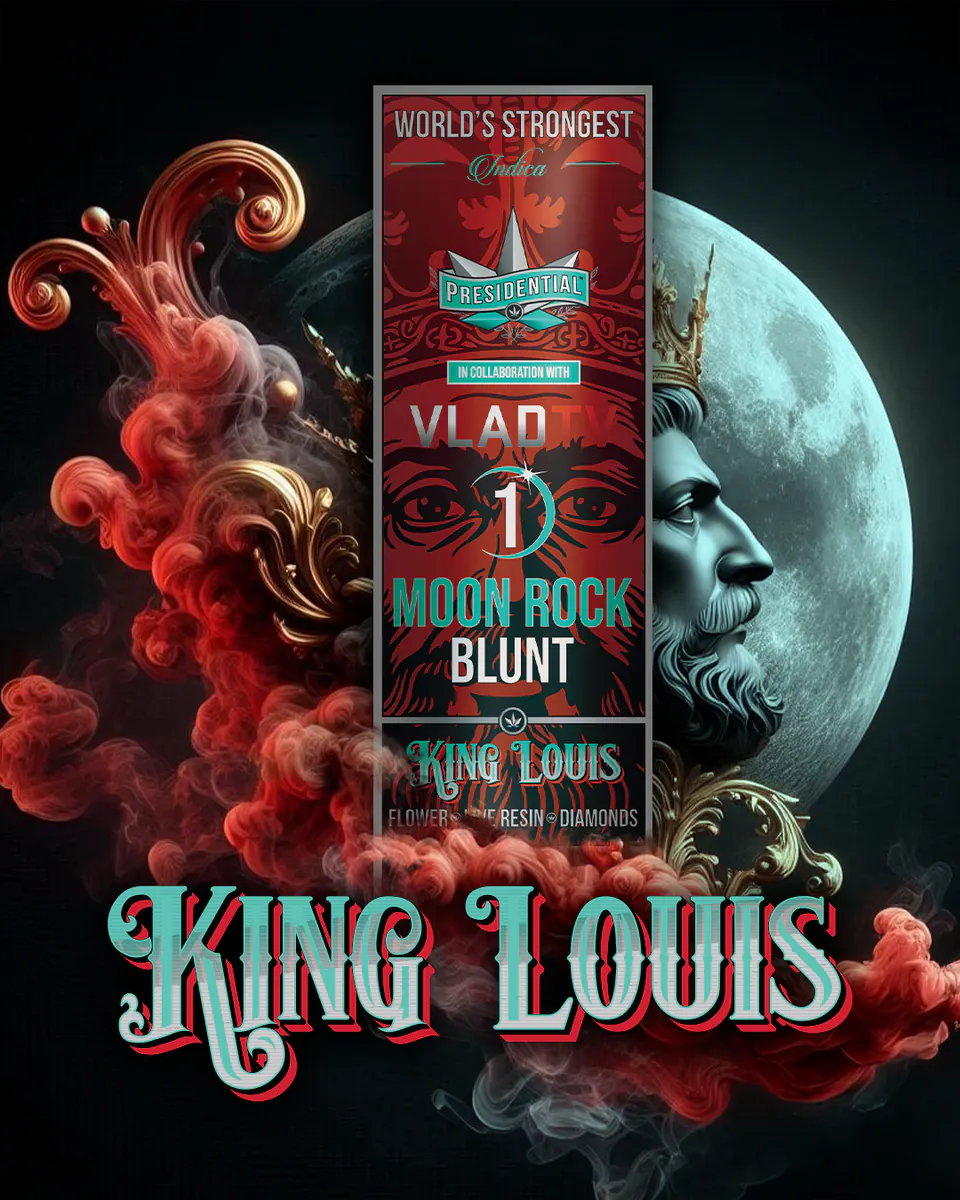
Know the Major Formats
Moon rocks make their layers visible around a flower center. Infused pre-rolls distribute flower and concentrate inside paper. Tobacco-free blunts use a non-tobacco wrap, while minis bring a similar wrapped construction into a smaller format. Vape cartridges pair an extract with hardware that heats and moves the material through a dedicated path.
Size alone does not define the underlying material. A mini is smaller than a full blunt, and a cartridge uses hardware instead of a flower wrap, but each still needs a label that identifies what was made. Start with the format name and construction before comparing percentages across categories.
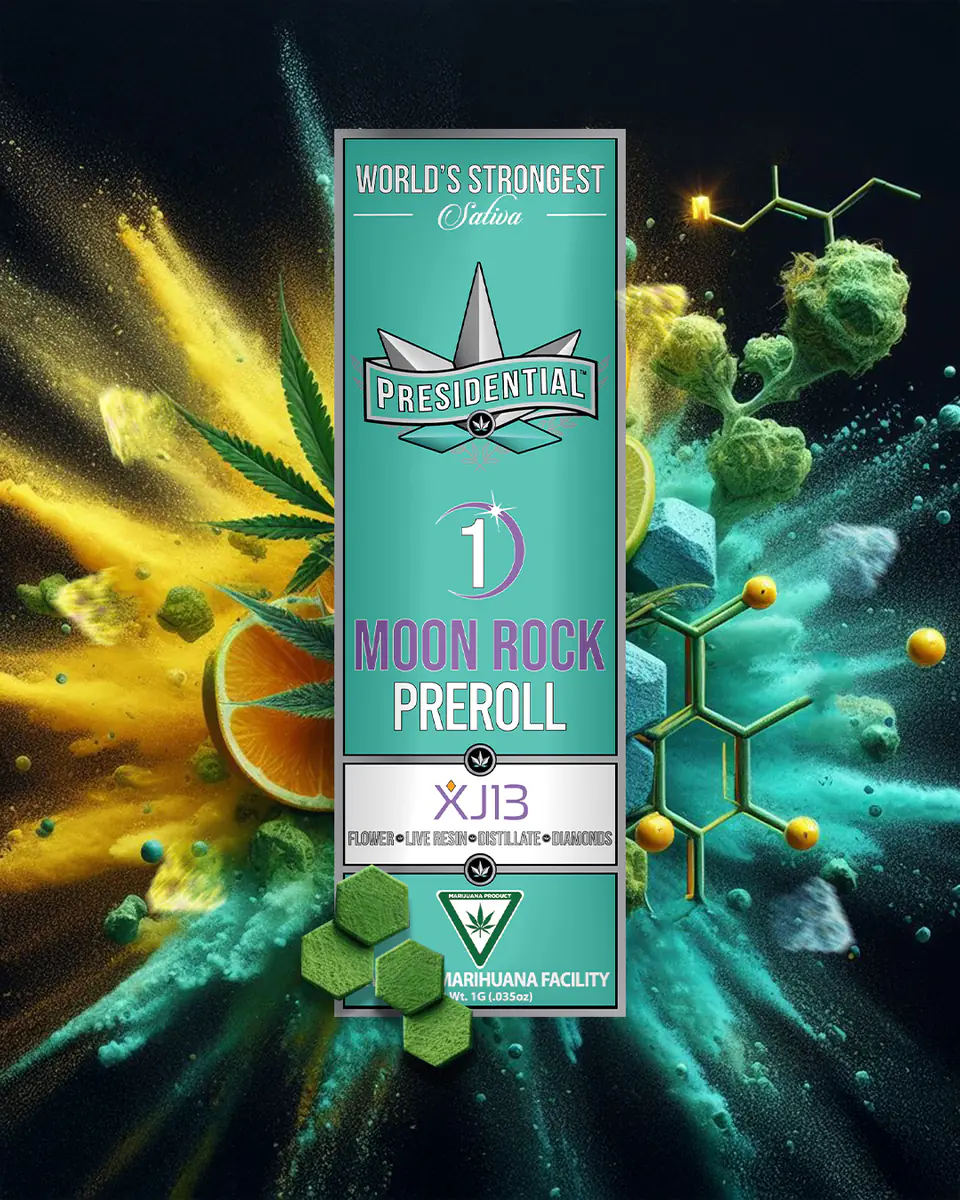
Put Potency Numbers in Context
Potency belongs to the specific tested material. A concentrate input and a finished moon rock are not interchangeable samples, because the finished product is a weighted blend of flower, concentrate and kief.
Do not compare one layer with a complete format as though they are the same sample. Read the product's own label, keep the batch information with it, and remember that percentages describe composition. They do not explain every detail of construction, distribution, storage history, or hardware.
Start With a Small, Controllable Step
For moon rocks, separate a piece around the size of a pencil eraser by hand or with scissors. A grinder can gum its teeth with concentrate and strip the kief from the surface. Place the piece where air can pass around it, use a slow flame, and expect that the dense material may need to be lit again.
Glass makes the piece easier to see and support. If paper is used, place small moon-rock pieces between layers of ground flower to help carry a more even burn. Whatever the format, change one preparation variable at a time so the result remains understandable.
Use the Label, Storage, and Temperature Together
Keep the package with the product and read its format, cannabinoid information, batch identifiers, and printed handling directions. Store the product securely closed in a cool, dark place. Heat and light take volatile terpenes first, while unnecessary handling can move kief or concentrate away from the intended construction.
For adjustable hardware, start low and work upward gradually. Rosin begins lower, resin in the middle, and diamonds higher in the relative sequence supplied for this guide set. Boiling points are reference values, not direct device recipes, because compounds can evaporate below those points over time.
Follow the Guide That Matches the Next Question
If the immediate task is preparation, continue to the moon-rock smoking guide. If the product will be kept for later, use the storage routine. The temperature guide explains compound reference points and gradual adjustment, while the quality guide organizes appearance, aroma, package, coating, and burn observations.
Those four paths cover the practical loop: identify, prepare, control, inspect, and store. This site remains a reference publication rather than a shop. When the next question is where Presidential products are available, the official brand locator points to licensed retailers and keeps availability separate from educational guidance.
Move through the guides in the order the product requires, not as a checklist that must be completed every time. A stored moon rock may need handling guidance next; a cartridge may send the reader directly to temperature and quality checks. The format decides the useful path.